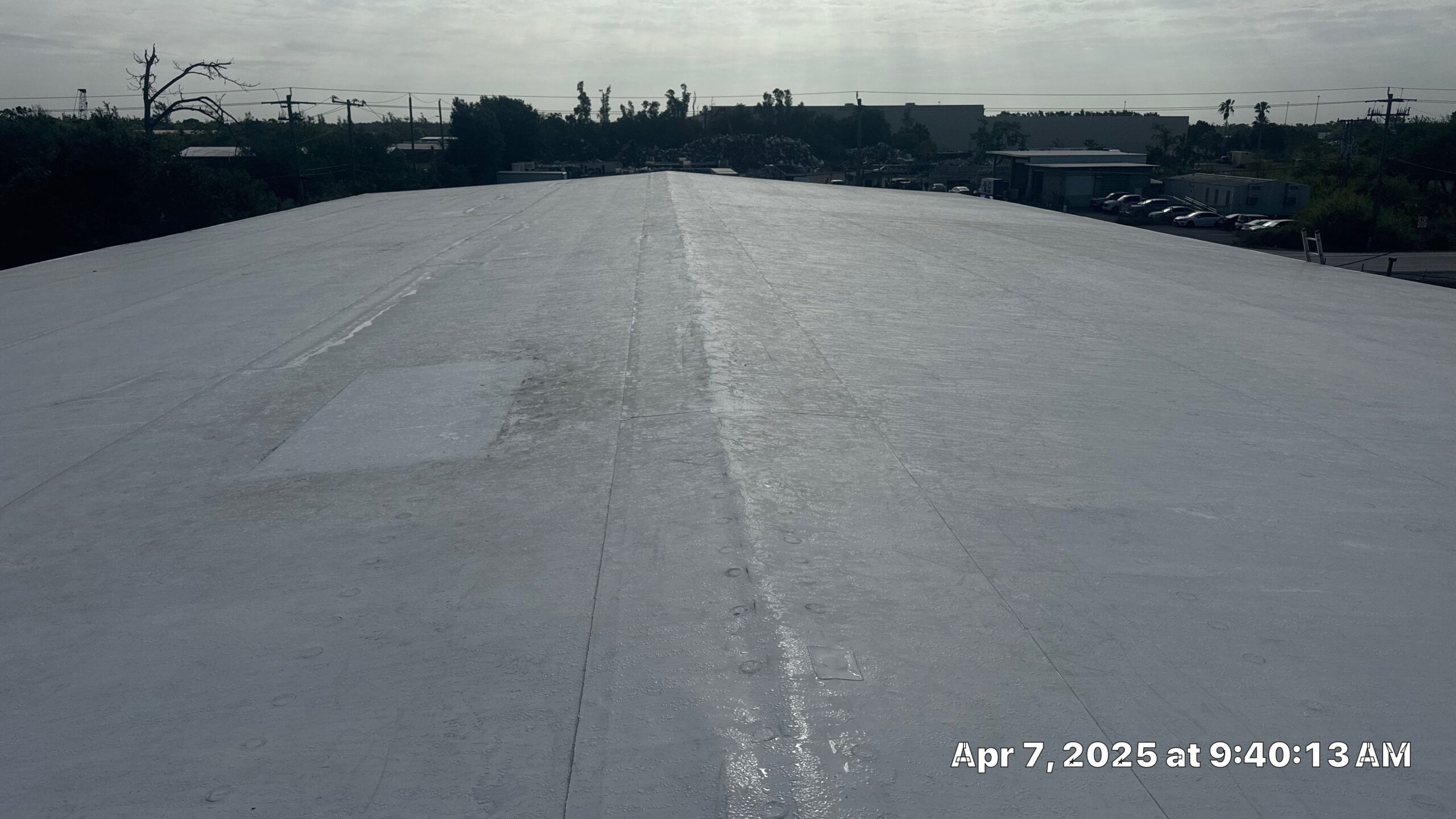
Naples, FL – Commercial Roof Maintenance Plans for HOAs and Property Managers

TPO Roofing by PRG Roofing & Construction, Fort Myers, FL

Question: How does a structured commercial roof maintenance plan protect Naples HOAs and property managers from unexpected capital expenditures?

Answer: A professional maintenance plan acts as a “fiduciary shield” for an HOA’s largest physical asset. By identifying minor tile displacements, salt-air corrosion, or gutter blockages before they lead to interior moisture intrusion, PRG Roofing & Construction (License #CCC1331196) helps Naples property managers extend roof lifespans by up to 30%. This proactive approach satisfies insurance “due diligence” requirements and prevents the need for sudden, expensive special assessments by shifting the board from reactive repairs to predictable, budgeted asset management.

  • Insurance Renewal Compliance: Many Florida carriers now require a “Proof of Maintenance” log to renew policies. We provide the certified documentation needed to satisfy underwriters and maintain coverage in the volatile Florida market.

  • Reserve Study Accuracy: Our detailed reports give HOA boards the data they need to accurately fund their reserves, ensuring that the 10-to-20-year roof replacement timeline is based on actual forensic health rather than guesswork.

  • Avoidance of Special Assessments: By identifying “Category 5” vulnerabilities (like loose perimeter flashings) during routine checks, we prevent the catastrophic failures that lead to emergency HOA board meetings and unbudgeted resident fees.

Your reserve study has a line item for roof replacement with an estimated year attached to it, and every budget cycle between now and that year assumes the roof will perform on schedule without a premature failure that accelerates the timeline. If you manage an HOA or a commercial property in Naples, the accuracy of that estimate depends entirely on whether someone is inspecting the roof surface, the edge conditions, and the drainage paths on a structured calendar or waiting for a visible interior symptom to trigger a reactive phone call. PRG Roofing & Construction Inc. serves Naples property managers and board members with maintenance programs designed to keep the reserve study’s timeline intact by catching problems when the repair scope is still measured in targeted fixes instead of full-section interventions.

The gap between a roof that’s performing and one that’s quietly deteriorating isn’t visible from the parking lot or the building entrance below. A commercial membrane can look uniform and intact from ground level while edge seals have separated, penetration boots have cracked from UV cycling, and ponding sections have formed where drainage flow has shifted or slowed over consecutive storm seasons. Semi-annual inspections put a trained crew on the roof surface to evaluate conditions that only reveal themselves through hands-on contact and measured assessment, and that scheduled access is the mechanism that converts invisible wear into documented, actionable findings.

What Each Inspection Cycle Covers on a Naples Commercial Roof
Edge conditions are the first priority on every inspection because the perimeter of a commercial roof is where wind uplift, thermal expansion, and rain water entry converge at the highest concentration. Penetration seals around pipe boots, mechanical curbs, and rooftop equipment mounts are the second focus, because the sealant and flashing at those transition points degrades faster than the field membrane under Naples UV and heat exposure. Drainage verification is the third component, and it covers scuppers, internal drains, and any cricket or tapered section engineered to move storm water off the roof surface before it ponds and loads the structure with standing weight.

How the Condition Report Turns Findings Into Decisions
Every inspection produces a photo-documented condition report organized into three categories that map directly to your budget planning cycle. Immediate action items identify conditions that need repair before the next storm season to prevent escalation. Watch-list items flag early-stage wear that doesn’t require intervention yet but needs monitoring at the next inspection cycle. The projected maintenance forecast extends the timeline to three years so your board or ownership group can see what’s coming and allocate funds before a finding moves from watch-list to urgent. Moisture readings at suspect areas add measured data to the report, because a membrane section reading elevated moisture content at the substrate level tells a different story than one that simply looks discolored on the surface.

Why Scheduled Maintenance Protects the Reserve Timeline
A targeted edge reseal or a penetration boot replacement addressed during a scheduled maintenance visit handles a problem in hours that, left unattended through two or three Naples storm seasons, expands into a section replacement requiring weeks of work and significant reserve fund impact. The maintenance calendar converts roof management from a reactive emergency into a planned operating expense, and the documentation from each cycle builds a cumulative record that supports insurance renewals, warranty claims, and board-level accountability for the decisions made between replacement cycles.

The Program That Replaces the Emergency Conversation
Call PRG Roofing & Construction Inc. at (239) 237-2906 and ask about enrolling your Naples commercial property or HOA in a structured roof maintenance program that puts inspections on a calendar and findings into a format your board can act on. The reserve study gave you a replacement year, and the maintenance program is how you make sure that year doesn’t arrive ahead of schedule.
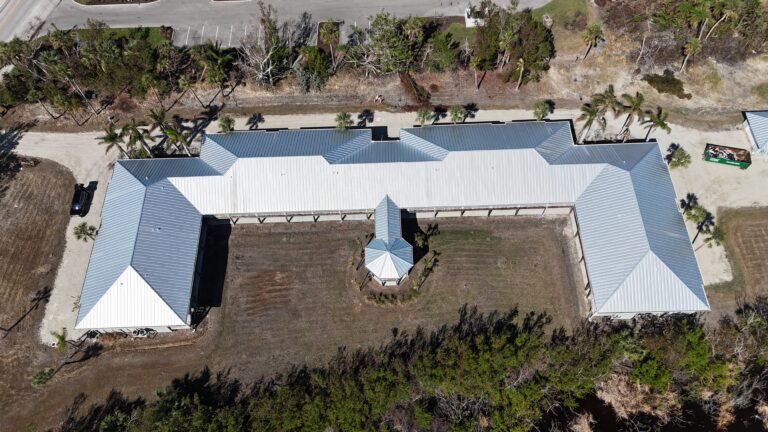
Port Charlotte, FL – Why Our Roofing Company Uses Step-by-Step Photo Proposals

Question: Why is a step-by-step photo proposal essential for roofing projects in Port Charlotte, FL?

Answer: In Port Charlotte, a step-by-step photo proposal is the ultimate tool for contractor transparency and insurance claim accuracy. By using high-resolution, time-stamped imagery, PRG Roofing & Construction (License #CCC1331196) provides homeowners with forensic proof of roof damage—such as wind-lifted shingles or compromised flashings—that isn’t visible from the ground. This “see-what-we-see” approach eliminates hidden change orders and provides insurance adjusters with the exact data they need to approve claims without the typical back-and-forth delays.

  • Proof of Loss Documentation: Insurance carriers in Charlotte County are increasingly strict. Our photo proposals serve as a “digital paper trail” that adjusters use to verify that repairs meet the Florida Building Code and HVHZ standards.

  • Supplement Support: If our crews find hidden damage during the installation, we instantly capture and send photos to your insurance carrier, often resulting in approved supplements that cover the extra costs.

  • Pre-Storm Benchmarking: Having a detailed photo proposal of your roof’s “healthy” state is invaluable for future insurance claims after a hurricane, providing a baseline to prove new damage.

  • Charlotte County Expertise: We understand the specific wind-load requirements for Port Charlotte and Punta Gorda. Our photos document the 6-nail fastening patterns and secondary water barriers that local inspectors look for.

  • Verified Credentials: Every photo proposal is backed by Florida License #CCC1331196, ensuring that the “expert” looking at your roof is a legally recognized professional, not an unlicensed solicitor.

You’re sitting with two roofing proposals for your Port Charlotte home, and both list similar shingle brands, similar underlayment specs, and similar labor descriptions with a total at the bottom of each page. The numbers look close enough that the decision feels like a coin flip between two companies offering the same work at a comparable scope. PRG Roofing & Construction Inc. serves Port Charlotte with a proposal format that eliminates that guessing entirely, because every recommendation on the page is anchored to an annotated photograph of the specific condition it addresses on your roof.

A standard roofing estimate communicates scope through line items, and those line items assume you understand what “replace flashing at wall transition” or “address ponding at low-slope section” means for your specific property. Without a visual reference, those descriptions stay abstract, and signing the approval means you are trusting language instead of evidence. A photo proposal translates every line item into an image you can evaluate with your own eyes before the work begins, and that translation changes the entire relationship between what you’re approving and what you understand about why it’s needed.

What an Annotated Image Reveals That a Line Item Conceals
An arrow pointing to the gap where flashing has separated from a wall transition on your Port Charlotte roof communicates more about that repair’s urgency than any written description on an estimate. A timestamp on the image proves exactly when that condition existed, and a written note beneath it explains why that specific separation allows wind-driven rain to enter the wall cavity behind the flashing line. Each finding on our photo proposal carries this three-part structure, with the visual evidence, the date, and the technical explanation working together to build a complete picture of what your roof needs and why each recommendation exists in the scope.

How Visual Scope Eliminates Mid-Project Surprises
Change orders happen when a crew finds conditions during the job that weren’t included in the original estimate, and every change order creates a pause in the work while the new scope gets approved. Our photo proposal reduces that risk by documenting conditions before the job starts, which means the crew and you are looking at the same evidence when you agree on scope. If a section of decking shows early signs of soft spots during the inspection, that finding appears in the proposal with a photo and an explanation before the contract is signed. The scope reflects what the roof showed during the inspection, and the work matches what was approved.

Why the Documentation Outlasts the Project
The photo set from our roof proposal doesn’t lose its value when the project is finished and our crew has moved to the next Port Charlotte job. That timestamped, annotated collection of images becomes a baseline record of your roof’s condition at a specific moment, and it serves multiple purposes long after the shingles are down. Insurance adjusters working a storm damage claim need evidence of pre-storm condition to distinguish new damage from pre-existing wear, and a dated photo set answers that question before it becomes a dispute. Future maintenance decisions reference the baseline to track how conditions have changed between inspection cycles, and resale conversations gain credibility when documented roof history accompanies the property.

Where Confidence Comes From in a Roofing Decision
The difference between signing a roofing proposal with confidence and signing one with uncertainty is whether you’ve seen what you’re paying to fix. A photo proposal puts that evidence in your hands before you commit, and the visual record stays with your property as proof of what was found, what was recommended, and what was completed. PRG Roofing & Construction Inc. builds every Port Charlotte roof proposal around this documentation standard because the clearest path to a good roofing decision runs through the evidence, not around it.

Call (239) 237-2906 and request a photo-documented roof proposal for your Port Charlotte property that shows you every condition and every recommendation before you approve anything on the page.


Fort Myers, FL – How Regular Commercial Roof Inspections Protect Your Budget

The commercial roof over your Fort Myers property is failing right now in ways you cannot see from the ground, and every month of delay adds cost to the eventual repair bill. Inspections prevent problems, they find them while those problems still have cheap solutions. PRG Roofing & Construction Inc. runs commercial inspection programs across Fort Myers because we’ve watched property managers discover what we could have caught months earlier if they’d scheduled the inspection before the leak appeared.
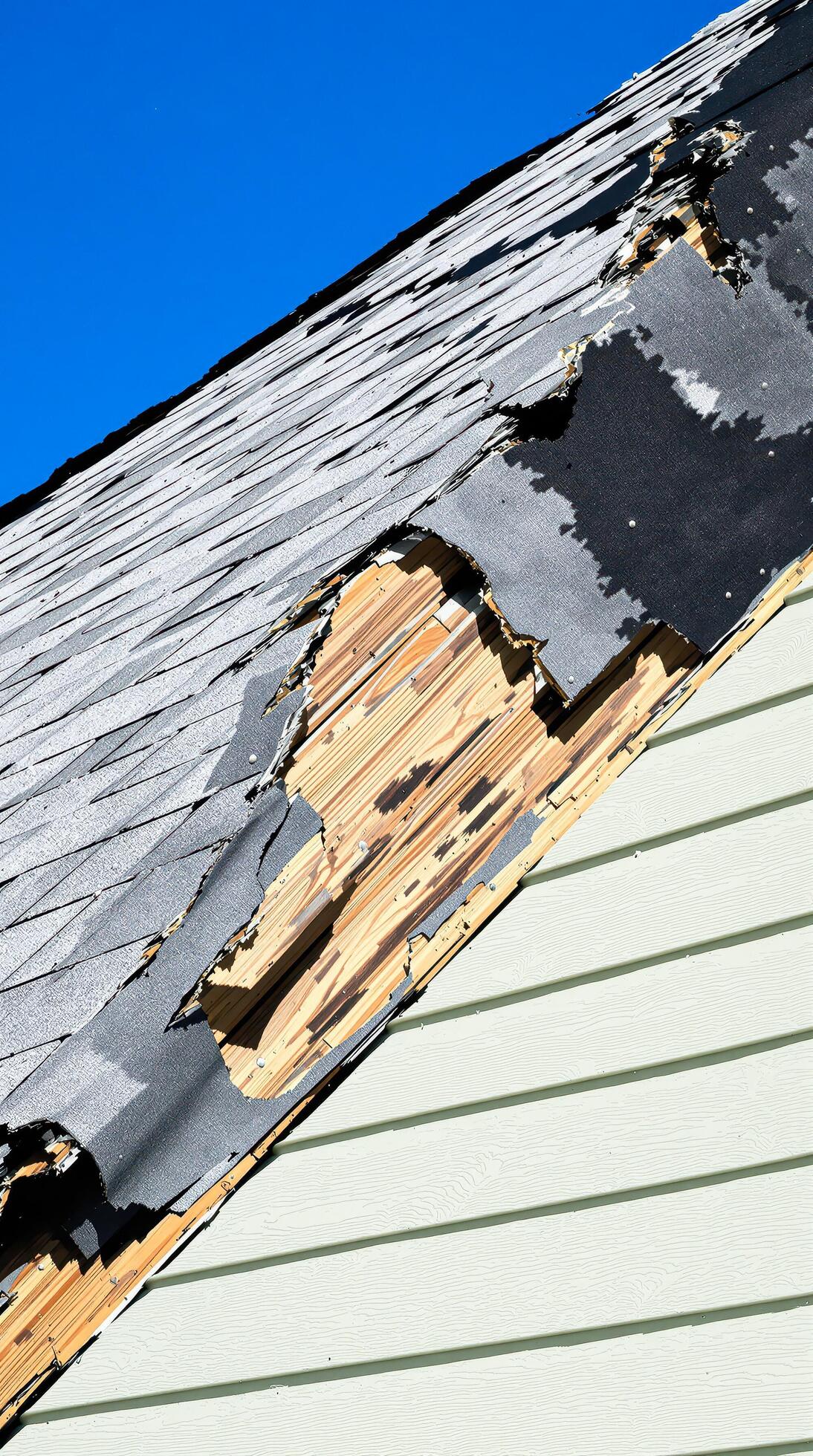
 

A roof inspection takes less time than most meetings and produces information worth more than most consultants deliver. We climb up, we test conditions, we document what we find, and we prioritize the findings by urgency so you know exactly what needs immediate attention versus what can wait until next quarter’s budget. The inspection itself costs a fraction of a single emergency call; the information it provides prevents those emergency calls from happening in the first place.


Moisture Testing Reveals What Eyes Cannot See

The most expensive commercial roof damage hides beneath the membrane surface where visual inspection cannot detect it. Water that enters through a seam failure or flashing breach spreads laterally, saturating insulation and degrading deck materials while the membrane above appears intact. By the time ceiling stains reveal the intrusion, extensive replacement has already become necessary. Our moisture meters identify wet zones before visible damage appears, allowing targeted repair rather than wholesale section replacement.


We test systematically across the roof field, documenting readings at each test location and flagging any results that indicate moisture accumulation. A reading approaching 18% tells us the substrate has absorbed enough water to compromise fastener holding power and accelerate material breakdown. Finding that reading during a scheduled inspection means repairing a small section; finding it after ceiling damage appears means replacing everything wet plus everything damaged during the time between infiltration and discovery.


Seam Conditions Predict Future Failures

Membrane seams experience stress from thermal cycling, wind pressure, and building movement that eventually exceeds even well-executed weld strength. The progression from sound seam to failed seam follows predictable patterns: edge lift appears first, followed by partial separation, followed by complete failure that allows water entry. Inspections catch these progressions early, when edge sealing can restore waterproof integrity rather than seam replacement becoming necessary.


We probe seams with instruments designed to detect separation before it becomes visible, documenting any suspect areas with photos and location notes that allow repair crews to address findings efficiently. A seam sealed during its early failure stage holds for years; a seam left until complete separation occurs often requires membrane replacement across the entire affected section because water damage has spread beneath the surface.


Flashing Inspections Catch The Most Common Failures

Most commercial roof leaks originate at flashings rather than in the field, because flashings handle the stress of water concentration, movement differential, and penetration sealing that the field membrane never faces. Every pipe, curb, drain, and edge requires flashing that maintains waterproof continuity across the transition, and every flashing eventually degrades under Fort Myers conditions until water finds a path through.


We inspect every flashing during scheduled visits, checking sealant adhesion, membrane integration, and metal condition at each penetration and termination. Findings get documented with photos that show exactly where attention is needed, prioritized by failure risk so you know which flashings need immediate resealing versus which ones can wait another inspection cycle. This information turns unpredictable emergencies into scheduled maintenance that fits your budget and your calendar.


Drain Function Prevents Structural Overload

Pooling water on a commercial flat roof adds weight that the structure may not be designed to carry long-term, and blocked drains transform rainfall into standing loads that stress connections and compress insulation. We verify drain flow during every inspection, clearing debris blockages and confirming that water paths remain open from roof edge to drainage system. A blocked drain discovered during inspection gets cleared in minutes; a blocked drain discovered after structural damage appears costs whatever the repair demands.


Our inspection reports include drain flow notes and recommendations for any drainage improvements that would reduce ponding risk. Some buildings benefit from additional drains; others need slope correction at specific low points that we identify with laser verification. The information supports budget planning that addresses drainage before emergency conditions force expensive solutions.


Documentation Supports Every Future Decision

Every inspection we complete produces a report with photos, readings, findings, and recommendations that becomes part of your building record. These reports prove conditions at specific dates, which supports warranty claims if installed materials fail to perform as specified. The reports also support insurance claims by demonstrating that the roof received proper maintenance rather than neglect, which increasingly matters as insurers scrutinize commercial property coverage applications.


Maintained documentation also simplifies property transactions by giving buyers verifiable roof condition information rather than uncertainty that drives negotiations and demands. A building with five years of inspection reports showing maintained conditions commands confidence that a building without records cannot match. The documentation takes minutes to produce; the value it delivers compounds over years of property ownership.


Inspection Scheduling Beats Storm Season Chaos

Fort Myers hurricane season runs June through November, and the weeks after every tropical system bring chaotic demand for roofing services that pushes prices up and availability down. Inspections scheduled in spring catch problems while repair crews have normal availability and material supplies remain stable. The same repair that costs standard rates in April might cost emergency premiums in September because every roofer in the region is responding to storm damage.


We recommend scheduling commercial inspections between Decemberand May, with repairs completed before June first when possible. This timing aligns maintenance with budget cycles for many property managers and ensures that any identified issues get addressed before the weather creates both higher stakes and higher costs.


Protect Your Fort Myers Commercial Property

A commercial roof inspection costs less than a single emergency call and prevents more damage than any reactive response can match. PRG Roofing & Construction Inc. provides scheduled inspection programs for Fort Myers commercial properties, delivering the moisture testing, seam verification, and documented reports that transform roof maintenance from guesswork into strategy. Call (239) 237-2906 to schedule your inspection today and get the information that protects your building, your budget, and your business through every storm season ahead.


Leave us a Review on BBB

Notary Services

© Copyright 2026 PRG Roofing & Construction, Inc. All Rights Reserved. Website by Visitivity Inc.