The True Cost of Waiting: Why Southwest Florida Commercial Properties Need Scheduled Roof Evaluations
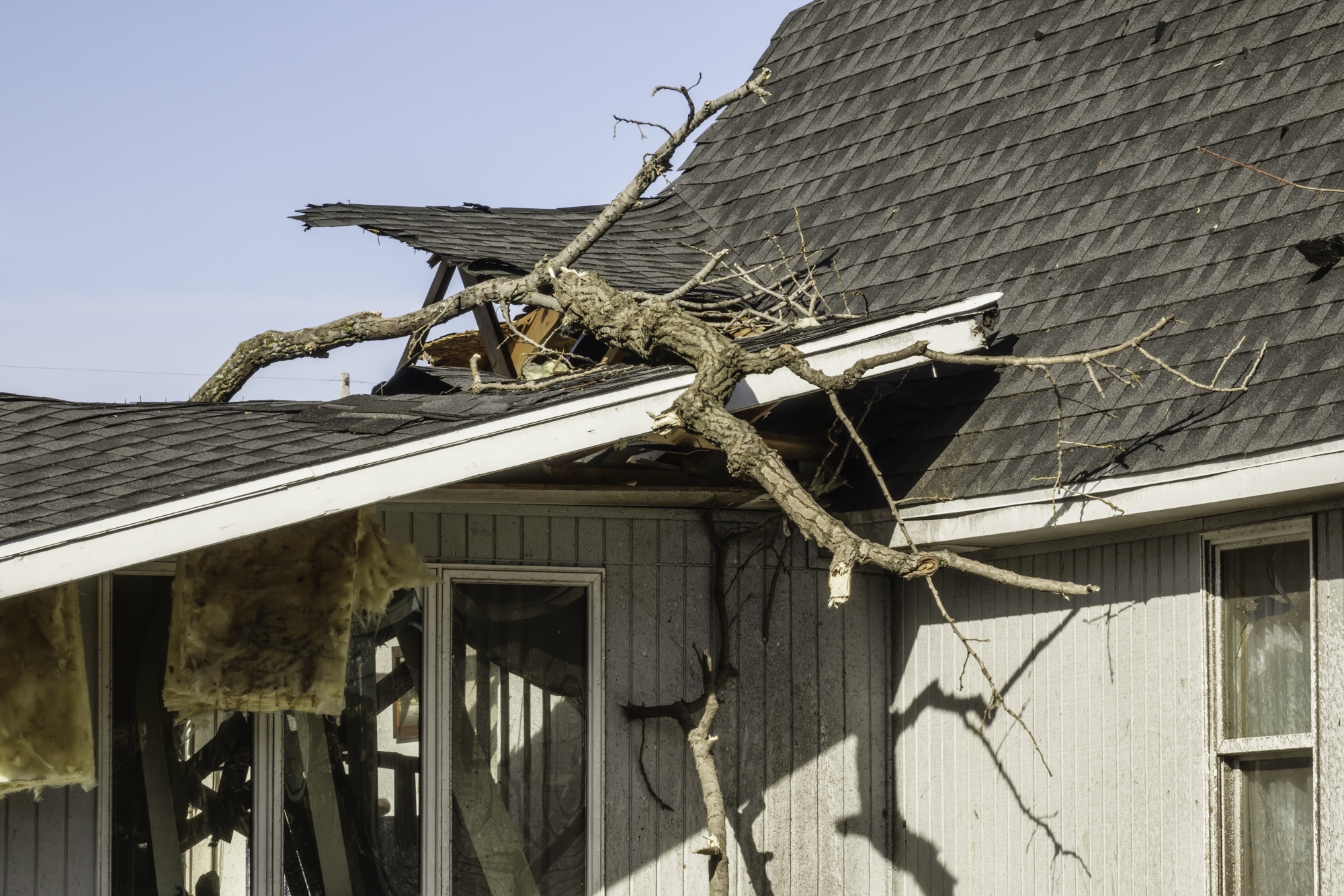
Property managers and business owners across Southwest Florida face a risk calculation that residential homeowners never have to consider. When a commercial roof fails, the consequences cascade far beyond simple repair costs into operational disruptions, tenant impacts, inventory losses, and liability exposures that can dwarf the expense of the roofing work itself.
At PRG Roofing & Construction, we’ve assessed enough commercial properties throughout Fort Myers, Naples, and Cape Coral to recognize the pattern clearly. The businesses that navigate storm seasons successfully, both in terms of physical protection and financial impact, are consistently the ones scheduling regular professional evaluations rather than waiting for obvious problems to force action.
Where Commercial Roofing Systems Hide Their Vulnerabilities
The most expensive mistake property managers make involves assuming visible damage represents the full scope of their problems. Commercial roofing systems, TPO, PVC, modified bitumen, metal panels, whatever material covers your building, develop critical issues beneath their surfaces where you cannot detect them through casual observation.
Storms create small openings where water infiltrates into insulation layers and structural components long before leaks become visible inside your building. By the time ceiling stains alert you to trouble, moisture has often been compromising expensive building materials for weeks or even months. Our assessments catch these developing problems while they remain manageable and affordable.
We evaluate membrane integrity across the entire roof field, looking for punctures, tears, and material deterioration that affect waterproofing performance. Flashing around parapets, HVAC units, and roof-wall junctions gets physically tested for movement and seal integrity, because loose flashing becomes the first failure point when hurricane winds arrive. Modified seam conditions receive particular attention at critical junctions, especially around eve drip edges where seam failures allow catastrophic water infiltration.
Drainage verification prevents one of the most common and most damaging commercial roofing problems in our region. Clogged drains and scuppers allow ponding water to accumulate, and standing water finds its way through small openings until minor issues become major emergencies. Regular evaluations ensure drainage paths stay clear and functional before seasonal rains test them under pressure.
Our teams inspect structural substrates for rotted wood, soft spots, and decking holes that could compromise entire systems. Even fasteners that appear properly sealed can develop corrosion over time in coastal environments, so we verify that every accessible fastener maintains proper grip and effective seal.
Documentation That Protects Your Bottom Line
Insurance claims after major storms frequently face significant processing delays because of one fundamental problem, lack of documentation proving pre-storm roof conditions. When adjusters question whether damage came from the weather event or from deferred maintenance, property owners without evidence face disputes that delay settlements and create cash flow problems exactly when they need funds most.
Our comprehensive CompanyCam documentation eliminates that uncertainty by photographing every assessment component, membrane conditions, flashing details, drainage systems, fastener placement, substrate status, before storm seasons arrive. This detailed record gives you the evidence adjusters need when questions arise later.
The documentation serves multiple business purposes beyond insurance claims. Warranty requirements often mandate periodic professional inspections, and our photo records prove compliance. Property sales benefit from documented maintenance history demonstrating responsible stewardship. Budget planning becomes more accurate when you have professional evaluations identifying issues before they escalate into emergencies.
When you need to demonstrate proper maintenance or document legitimate storm damage, having professional-grade photographic evidence makes the difference between smooth claims processing and months-long disputes that tie up capital during recovery.
Proactive vs. Reactive: The Economics Are Clear
Scheduled evaluations and maintenance completed before storm seasons deliver substantially better protection and value than emergency repairs attempted during crisis situations. Once tropical systems start threatening the Gulf Coast, roofing contractors across Florida become backlogged for weeks. Materials grow scarce, pricing increases, and the window for meaningful preparation closes rapidly.
Proactive assessments scheduled during slower periods mean competitive pricing, immediate attention to identified issues, and genuine readiness when severe weather eventually arrives. Minor problems, loose fasteners, small membrane separations, drainage obstructions, cost relatively little to address during routine maintenance cycles. Those same issues become expensive failures once storms expose them under pressure.
The financial impact extends well beyond direct repair costs. Commercial roof failures during storms force business interruptions, damage inventory and equipment, displace tenants, and create liability exposures that can exceed roofing expenses by orders of magnitude. Regular assessments function as operational risk management that protects business continuity.
Why Our Climate Demands a Different Approach
Florida’s unique combination of extreme conditions, intense UV radiation, constant humidity, thermal cycling, hurricane exposure, salt air corrosion, accelerates commercial roofing deterioration faster than virtually any other market in the country. Systems engineered to last decades in other regions show meaningful wear within just a few years here.
Regular professional assessments account for this accelerated aging by identifying problems during early stages when intervention remains straightforward and affordable. The alternative, waiting until problems become obvious through interior damage, typically means addressing issues after they’ve already compromised your building and created expensive secondary damage.
Southwest Florida commercial properties cannot approach roofing maintenance with the same deferred-attention mindset that might work in less demanding climates. Our environment is simply too harsh, and the operational stakes too high, to leave roof conditions to chance or hope.
Don’t gamble with your business operations. Contact PRG Roofing & Construction to schedule your comprehensive commercial roof assessment. Our experienced team serves property managers, business owners, and HOAs throughout Fort Myers, Naples, Cape Coral, Bonita Springs, and Punta Gorda with detailed evaluations that deliver documented evidence instead of vague promises. Call (239) 237-2906 or visit prgroofing.net today.