

In Bonita Springs, tile roofing delivers an unmatched combination of longevity, curb appeal, and architectural distinction. From Spanish barrel clay in waterfront enclaves to modern flat concrete profiles in gated golf communities, tile transforms a structure into a landmark.
Yet the visible surface of a tile roof tells only half the story. In Southwest Florida’s harsh coastal climate, aesthetics mean nothing without the engineering underneath. A tile roof is a heavy, multi-layered protective envelope that demands exact structural verification, high-temperature water barriers, and wind-rated mechanical attachments.
PRG Roofing & Construction Inc. installs fully integrated tile roof systems engineered to endure Florida’s severe weather cycles—fully photo-documented at every stage to ensure your home meets or exceeds every structural standard.
1. Structural Engineering Precedes Material Selection
Before a single tile arrives on-site, framing capacity must be verified. Concrete and clay tiles impose massive dead loads on a structure:
-
Shingles: Typically weigh 2 to 3.5 lbs per square foot.
-
Clay and Concrete Tiles: Routinely weigh between 8 and 12+ lbs per square foot—before factoring in the temporary water weight added during torrential subtropical downpours.
Installing tile on framing meant for lighter materials without engineering verification leads to sagging rafters, interior drywall cracks, and serious structural liability.
Our pre-installation assessment evaluates truss spacing, rafter sizing, interior load paths, and connection tie-downs. If your Bonita Springs home requires supplemental framing, hurricane clip upgrades, or engineered structural reinforcement, we identify it upfront. We deliver full transparency so you know the exact structural health of your roof before work begins.
2. Underlayment: The True Waterproof Defense
The tiles on your roof shed the vast majority of rain, but the underlayment underneath is what actually keeps your home dry.
During tropical storms and severe wind-driven rain events, pressurized water forces its way beneath the tiles. That water must drain safely over a continuous, bulletproof secondary barrier.
Why Material Grade Matters
-
Standard Organic Felt (The Shortcut): Traditional felt rapidly deteriorates beneath Florida tiles, where trapped air can reach 140°F to 160°F. Within a few years, baked felt turns brittle, cracks, and rots—requiring a full roof tear-off even when the tiles above are completely intact.
-
High-Temperature Self-Adhering Membranes (The Standard): PRG Roofing specifies premium, dual-layer, high-temp self-adhered underlayment for every Bonita Springs installation. These modified polymer sheets seal around fastener penetrations and resist extreme thermal cycling, UV exposure, and direct water contact for decades.
3. High-Velocity Fastening and Code Compliance
Bonita Springs sits within an enhanced wind zone governed by strict Florida Building Code mandates. Tile failure during a hurricane rarely stems from tile breakage—it starts with fastening failure. Once the wind strips an edge or ridge, negative suction lifts entire sections, leaving the underlying sheathing exposed to torrential rainfall.
-
Code-Specified Wind Resistance: Fastener type, gauge, penetration depth, and placement frequency are strictly calculated against your home’s roof pitch, building height, and localized wind-uplift pressures.
-
Adhesive Foam vs. Mechanical Fastening: Depending on your roof’s slope and profile, we deploy calibrated polyfoam adhesive systems, corrosion-resistant stainless or hot-dipped fasteners, or engineered hybrid attachments to lock each unit to the deck.
-
Zero Shortcuts: We do not rely on generic, out-of-state fastening patterns that cut labor costs. Every row is mechanically locked to withstand severe uplift pressures.
4. Hip, Ridge, and Valley Detailing
The most common failure points on poorly installed tile roofs are the transitions: peaks, valleys, hips, and rakes.
These intersections bear the brunt of localized wind turbulence and channeling water. We treat these transitions as high-stress defensive zones:
-
Mechanical Ridge Attachment: We anchor hip and ridge tiles directly to structural backing boards and metal framing channels rather than relying solely on cosmetic mortar beds that crack under vibration.
-
Engineered Flashing & Valley Channels: Custom-fabricated, heavy-gauge metals line our valleys, delivering high-volume water evacuation without pooling or backflow.
-
Sealed Weather Stops: Ridge transitions are mechanically blocked and sealed against driven rain while allowing proper airflow to manage attic heat buildup.
5. Storm Defense Through Verified Photo Documentation
When a hurricane sweeps through Southwest Florida, the quality of your roof installation directly determines whether your home stays watertight or suffers progressive failure.
At PRG Roofing & Construction Inc., quality control is not an empty promise; it is backed by empirical proof. We create a complete, step-by-step photographic record of your project:
-
Substrate condition, re-nailing patterns, and deck repair.
-
Underlayment application, overlap seams, and flashing integration.
-
Fastener spacing, attachment patterns, and tile placement.
This comprehensive photo record serves as ironclad proof for local building departments, simplifies property insurance underwriting, justifies wind mitigation discounts, and provides future buyers with undeniable proof of a code-compliant installation.
Upgrade Your Bonita Springs Home with PRG Roofing
A tile roof is a premier investment that yields decades of beauty, protection, and property value when engineered to the highest standard. PRG Roofing & Construction Inc. brings the technical discipline, code proficiency, and meticulous installation standards your home demands.
Call (239) 237-2906 today to schedule your comprehensive tile roofing consultation and structural evaluation. Protect your home with a roof built to outlast the storm.

 On a tile roof, the tile is the last thing that goes on and the least of what keeps water out. The layer that waterproofs the roof is the secondary water barrier beneath the tile, and the tile is the wear surface that shields it from the sun and the rain. Knowing that changes what you look for during an install. A tile roof is made waterproof and windproof by what gets installed under the tile, in a fixed sequence of steps that happen before a single tile piece is set.
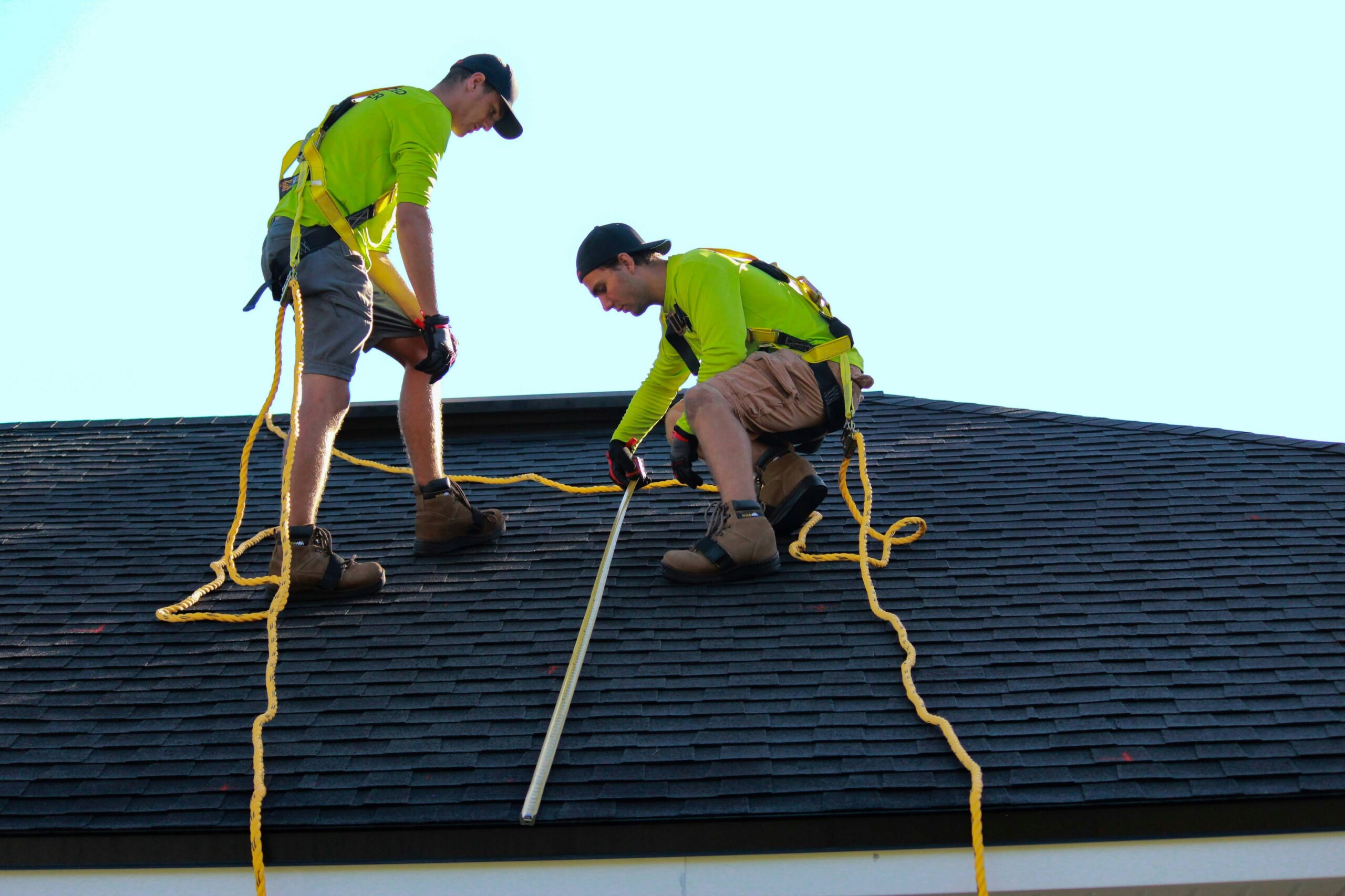
 Most of the work that decides a commercial roof’s outcome happens before any membrane gets ordered. That’s why we at PRG Roofing & Construction Inc., based in Fort Myers and serving Naples, sit down with commercial building owners and property managers to walk through five decisions that shape the next 20 years of building performance.

 Tile roofing in Bonita Springs delivers what no other material can match: decades of service life wrapped in architectural character that transforms ordinary homes into landmarks. The clay and concrete profiles that line the best neighborhoods here don’t just look distinguished; they withstand conditions that send lesser materials to the landfill. PRG Roofing & Construction Inc. installs tile roof systems built to perform under Florida’s most demanding weather cycles, documented at every phase to prove the installation meets the standards these materials deserve.

 Which Roof Handles Fort Myers Heat Best?

 When homeowners in Fort Myers, Naples, Cape Coral, and Bonita Springs ask us about roofing materials that can truly stand up to Florida’s brutal climate, we always start the conversation with concrete tiles. At

 From the sidewalk, your tile roof in Fort Myers might look flawless, even years after installation. But that surface-level beauty can be deceptive, especially when the real problems are happening underneath. We have inspected tile roofs that appeared clean and well-installed, only to find rotted battens, cracked underlayment, and slow leaks that had gone unnoticed for months. Tile systems do not fail loudly or suddenly; they fail in stages, beneath layers, while everything above looks unchanged. By the time you see signs inside, such as ceiling stains or a musty odor, the damage has already spread.


