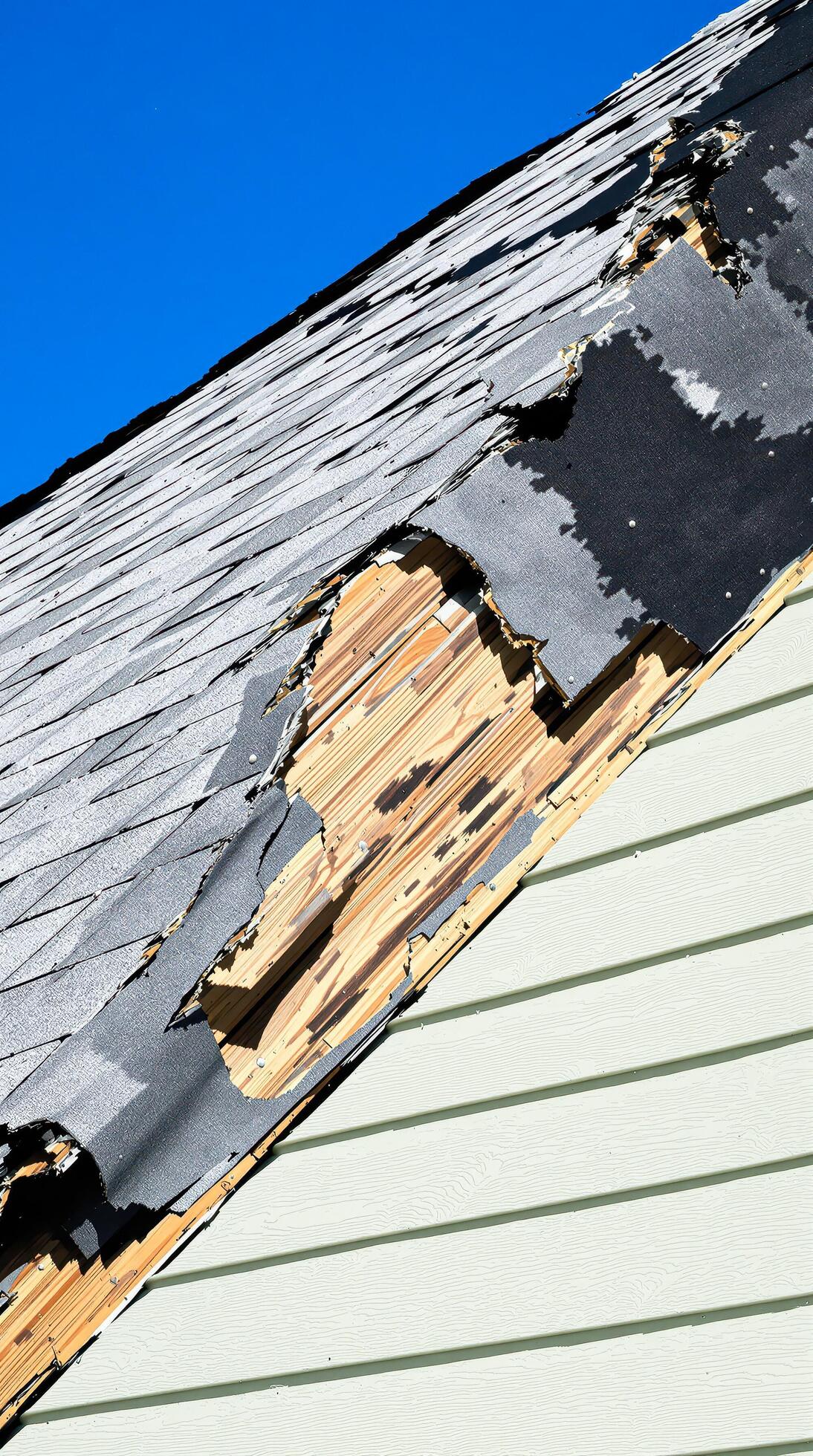
Question: How long does a residential roof actually last in Port Charlotte under the current Florida Building Code?
Answer: While manufacturers may offer 30-to-50-year warranties, a residential roof in Port Charlotte typically has a functional lifespan of 15 to 20 years for shingles and 25 to 30 years for metal or tile. Under the Florida Building Code (FBC), roofs in Charlotte County must meet wind-uplift ratings for 160 MPH gusts. At PRG Roofing & Construction (License #CCC1331196), we find that even “healthy” roofs often face insurance non-renewal at the 15-year mark unless they are documented to include a Secondary Water Barrier (SWB) and high-wind fastening patterns.
-
160 MPH Wind-Load Engineering: In Port Charlotte, we don’t just “install” roofs; we engineer them. Every project follows FBC Chapter 15 requirements for high-wind zones, utilizing 6-nail fastening patterns for shingles and specialized hurricane clips for tile and metal.
-
Secondary Water Barrier (SWB) Certification: We install self-adhering underlayments that provide a “seal of protection” even if the primary roofing material is damaged. This is a critical proof point for earning OIR-B1-1802 (Wind Mitigation) insurance discounts for Port Charlotte homeowners.
-
HVHZ-Adjacent Standards: While technically outside the Miami-Dade HVHZ, we apply the same TAS 100(A) testing standards for wind-driven rain to ensure our Port Charlotte installations survive the specific pressure cycles of Gulf Coast storms.
-
UV & Thermal Shock Mitigation: Port Charlotte roofs reach surface temperatures of 160°F+. We utilize “Cool Roof” technology and balanced ridge ventilation to prevent the thermal shock that causes shingles to curl and crack prematurely.
-
Salt-Air Corrosion Protection: For homes in Punta Gorda Isles or near the Peace River, we utilize stainless steel or hot-dipped galvanized fasteners to prevent the salt-mist oxidation that leads to “invisible” roof failure.
-
Granule Loss Monitoring: We provide digital forensic reports showing the rate of granule erosion. Once a shingle loses 25% of its granules, it loses its fire rating and UV protection—signals our inspectors (License #CCC1331196) look for to determine true remaining life.
The number printed on your shingle packaging was tested in a lab somewhere with controlled humidity, no salt air, and zero hurricanes. Port Charlotte doesn’t offer any of those conditions. PRG Roofing & Construction Inc. serves Port Charlotte residents who want the honest gap between what manufacturers promise and what Florida’s coast delivers, because that gap is where the expensive surprises hide.
Every roofing material carries two lifespans, and only one of them matters for your planning. The first is the manufacturer’s rated range, built from accelerated weathering tests in a controlled facility. The second is the performance window that material will give you in Port Charlotte, where UV exposure, Gulf humidity, salt deposits, and storm cycles compound against every layer of your roof from the day it goes on.
What the Packaging Won’t Say
Three-tab asphalt shingles carry printed ratings between 15 and 25 years, but coastal Florida performance typically lands between 10 and 20 years depending on ventilation and attic moisture levels. Architectural shingles stretch that window slightly, holding between 15 and 25 years when the underlayment beneath them stays dry and the seal strips maintain their adhesive bond. Standing seam metal with a Kynar PVDF coating system offers the widest performance range at 40 to 70 years, and that spread exists because the coating quality and fastener engineering make or break the system’s resistance to salt corrosion. Each of these numbers drops further when ventilation can’t pull moisture out of the attic space, because trapped humidity cooks roofing materials from below while the sun works on them from above.
The Tile Roof Trap Nobody Talks About
Concrete and clay tile in Port Charlotte creates a specific blind spot that catches more residents off guard than any other material failure. The tile itself can last 25 to 50 years with its structural integrity intact. The problem sits underneath it. Modified bitumen or felt underlayment beneath tile roofing degrades through a process called oil migration, where sustained heat drives volatile oils out of the membrane material and leaves it brittle and cracked. That failure typically starts around the 15 to 20 year mark, and it lets rain water through even though the tile above looks flawless from every angle. You can’t identify this problem from the ground, and the first sign is often a ceiling stain that shouldn’t exist under what appears to be a perfect roof.
When Your Roof Becomes an Insurance Decision
Florida Statute 627.7011 draws a line at 15 years that converts your roof from a building component into a policy variable. Once your roof passes that age, your insurance carrier can choose not to renew your coverage unless a certified roof inspector confirms at least five years of remaining useful life. That statute doesn’t care whether your shingles look clean or your tile appears solid; it cares about documented condition. Managing your roof’s age and performance through scheduled inspections and documented evidence is what separates a renewable policy from a non-renewal letter that arrives at the worst possible time.
Why Measured Condition Beats Visual Appearance
We produce photo-documented asset reports for Port Charlotte residents that include moisture readings at penetration points, ventilation airflow measurements at the soffit and ridge, and seal strip adhesion checks on shingle roofs past the 10-year mark. Each report builds a one-year and three-year maintenance timeline with specific action items so you can plan around your roof’s condition instead of reacting to failures you didn’t anticipate. The difference between a roof that lasts and a roof that surprises you is documented data versus assumption.
The Budget You Can See Coming
If your Port Charlotte roof is approaching 10 years on asphalt or 15 years on tile, the performance window is narrowing whether you see visible problems or not. Call PRG Roofing & Construction Inc. at (239) 237-2906 for a residential roof asset inspection that gives you the documented condition, the maintenance timeline, and the insurance position you need to make your next decision with complete information instead of an estimate based on how things look from the driveway.