
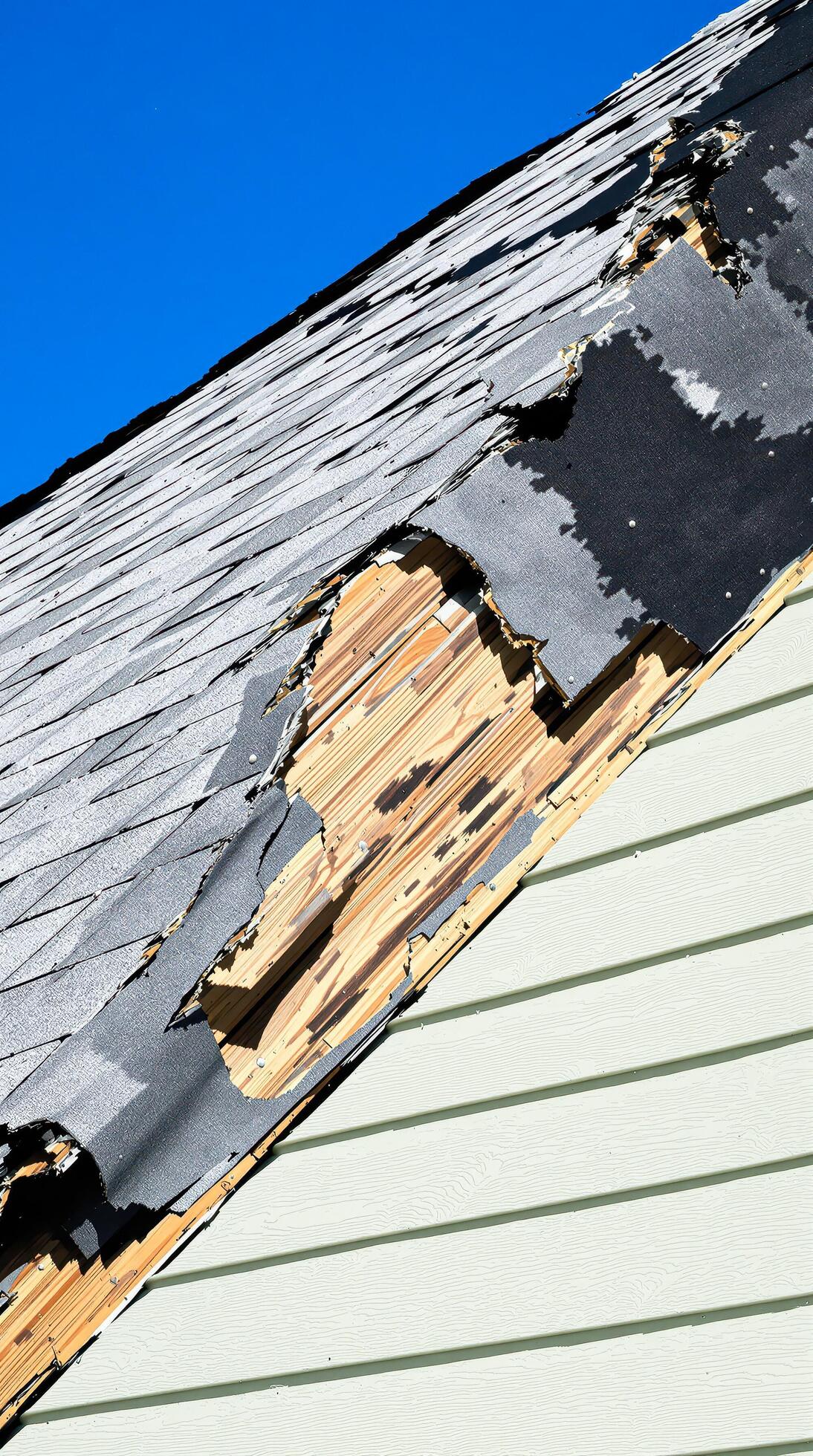
Say you’re looking at a corner of shingles gone from the front slope, a drip edge peeled back over the garage, a wet spot spreading across the guest room ceiling, and a crew that can’t get to you until next week. Three days after Ian, our general manager was standing in front of clients’ houses looking at lists exactly like that one. Every item is real, and they’re not getting worse at the same speed. The order that holds up is a short set of questions, starting with whether rain water is still coming in and ending with whether the wind damage can be isolated and repaired. Here at PRG Roofing & Construction Inc. our shop is in Fort Myers. On Port Charlotte storm calls our crew goes by those questions rather than by what looks worst from the street.
Is Rain Water Still Getting In?
Everything under your roof went on the clock the moment water got in. Insulation, framing, drywall, and whatever’s stored in the attic are all soaking it up while the list waits. Our crew looks at the roof, the substrate, and how to get up there safely, then secures a cover over the compromised section so the house stops taking on water. That look is quick because it has to be, and it’s why the cover goes on where it will hold. Nothing else on your list is moving as fast as an open roof in a September rain.
Is Decking Showing?
The next question sorts the bare slope from the peeled edge. A bare patch with the underlayment intact can wait a day, while a bare patch with decking showing can’t, because the next afternoon storm goes straight into the assembly. Below that comes a lifted drip edge with sound covering behind it, and it still ranks high. Wind pulls hardest at the corners and perimeter, and an edge that’s already up takes the next gust with less holding it down. Storm gusts also loosen fastener patterns without moving a shingle, so our crew checks the edges and the fasteners near any opening. Which of the two goes first depends on what’s showing.
What Does The Meter Show?
The costliest item on most storm jobs is the one nobody can see from the ground, and it’s the one that swings an insurance claim by the most money. Our crew puts a pin moisture meter on the wood decking and probes it by hand, and what the meter and the probe find is what decides whether a panel stays. Soft sheathing comes out, and so does anything delaminated or unable to hold a fastener. Wet sheathing that’s otherwise sound gets dried, and the roof doesn’t close until the meter shows it under 18%. Decking that stays wet in a Port Charlotte attic keeps breaking down through the warm months, so getting that reading early is what keeps the job from growing while you wait.
What Are We Leaving For Later?
You’re going to defer something, and there’s a difference between deferring and forgetting. Say the deferred item is the peeled drip edge over the garage. It’s dry behind it, the covering around it is sound, and it can wait a week for the crew. It gets photographed, dated, and written down with the reason it’s waiting, and if the next storm moves it, that photo is what shows it moved. Everything our crew finds goes on the post-storm inspection the same way, whether it’s getting fixed this week or next month, so nothing on the list depends on anybody’s memory.
Can It Be Isolated And Repaired?
This is the answer you want first, and it comes out of the four questions above it. Repair fits wind damage that stays inside specific sections, edges, or penetrations when the assembly around it is sound and the deck comes back dry. Replacement comes into the conversation when fastener compromise spans several sections or decking is saturated across a wide area, and a ridge or hip line that has moved usually means the same. Where both are on the table, we put the repair beside the replacement with the lifespan and the warranty on each, so you can see what each one buys you and for how long. Those criteria go into the report so you can see how we got to the recommendation.
Water First, Then The Rest In Order
If rain water is still coming in, call PRG Roofing & Construction Inc. at (239) 237-2906 and ask for an emergency dry-in. Our crew will close the roof, then come back through the list with a meter and a camera and tell you what’s next and why. Worked in that order, the expensive part of the roof stops growing while you wait your turn.


 On a tile roof, the tile is the last thing that goes on and the least of what keeps water out. The layer that waterproofs the roof is the secondary water barrier beneath the tile, and the tile is the wear surface that shields it from the sun and the rain. Knowing that changes what you look for during an install. A tile roof is made waterproof and windproof by what gets installed under the tile, in a fixed sequence of steps that happen before a single tile piece is set.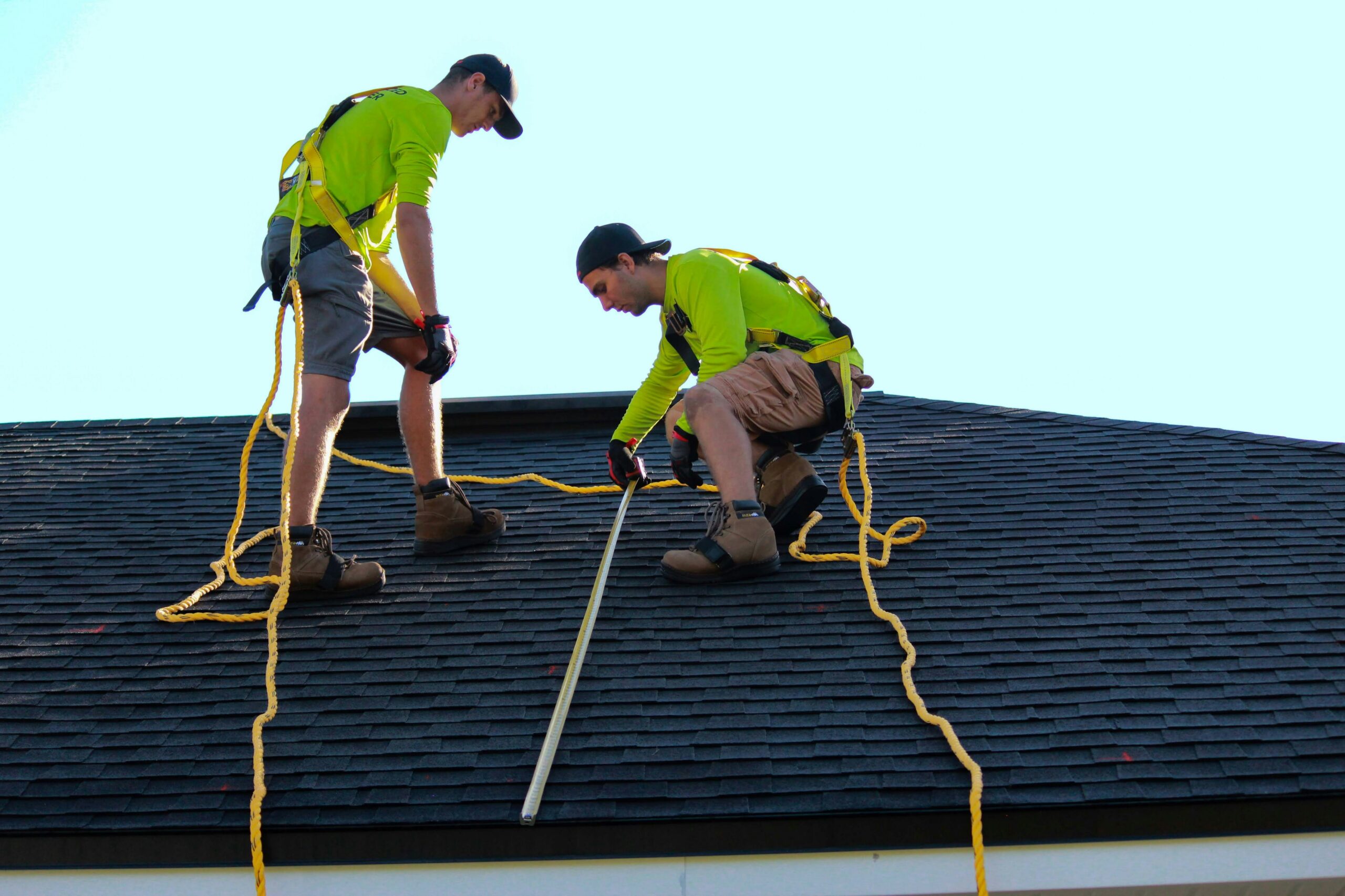
 Most of the work that decides a commercial roof’s outcome happens before any membrane gets ordered. That’s why we at PRG Roofing & Construction Inc., based in Fort Myers and serving Naples, sit down with commercial building owners and property managers to walk through five decisions that shape the next 20 years of building performance.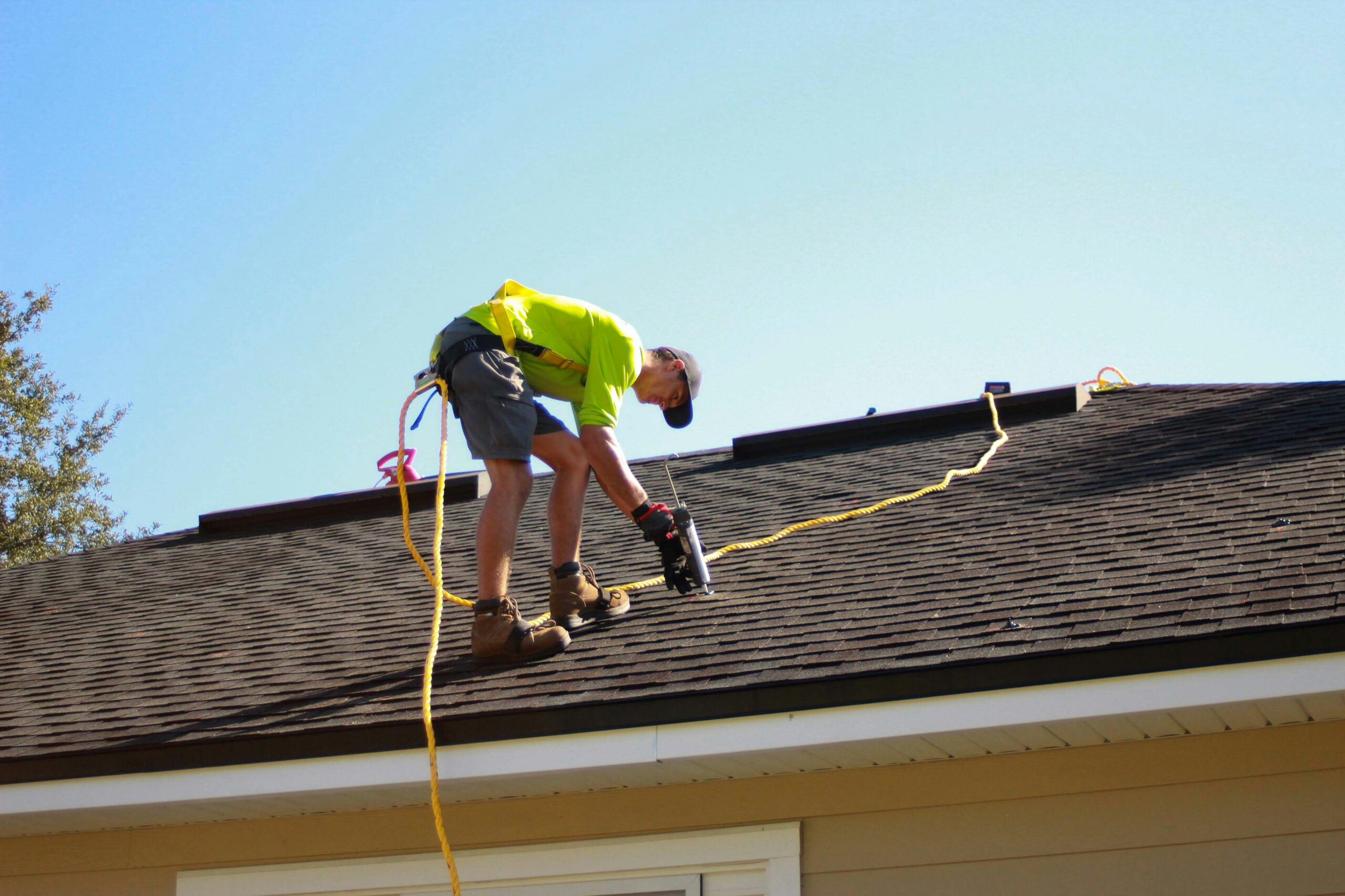
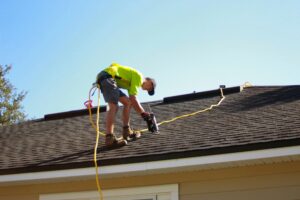 Most roofs in Port Charlotte never get a scheduled inspection. Homeowners get a leak, make a phone call, and get an appointment after the damage has started spreading through the decking. The Southwest Florida roof calendar holds two inspection windows a year that matter.When you treat maintenance as an annual obligation, you are providing what insurers need to compare storm damage and pay you what they owe you. PRG Roofing & Construction Inc. in Fort Myers serves Port Charlotte with a maintenance program that will keep your roof maintained properly and your insurer happy. with a maintenance rhythm built around hurricane season, and the photographic record that builds across visits is part of what your home gets in return.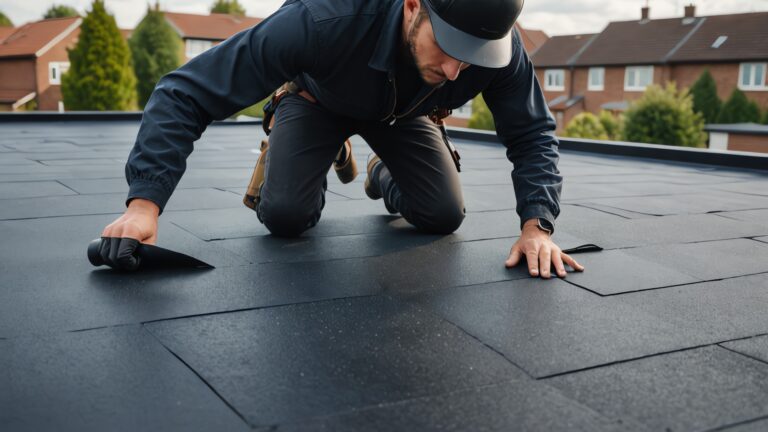
 Pull your commercial roof warranty out of the filing cabinet and turn to the exclusions page. If you manage a building in Fort Myers and you’ve never read that section, you’re carrying coverage you don’t fully understand. Most building owners assume their warranty handles everything. Most warranties don’t, and the difference between what you think is covered and what’s written in the document shows up the day you file a claim.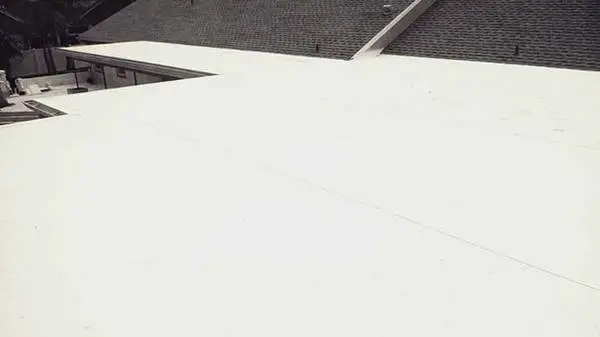
 The building code your Port Charlotte roof was built to matters more than the year it was installed. A 15-year-old roof built to a strong code cycle with quality materials might outperform a 10-year-old roof installed to weaker specifications with cheaper components. That’s because lifespan isn’t one number stamped on a box. It’s a product of what was installed, how it was installed, and what Florida’s climate has done to it every day since.


