Fort Myers, FL – Not All Metal Roofs are the Same: What Owners Should Know

If you’re considering a metal roof for a home or commercial property in Southwest Florida, there’s an important question to ask before comparing prices:

What kind of metal roofing system am I actually getting?

Two proposals can both say “metal roof” while describing very different roofing systems.

The type of panel, metal, attachment system, underlayment, flashing details, product approvals and installation requirements can all affect how the finished roof performs.

For property owners in Fort Myers, Lee County and Collier County, those details deserve attention. Our roofs face intense sun, heavy rain, high winds, humidity, salt exposure in coastal areas and severe weather.

At PRG Roofing & Construction, metal roofing is one of our specialties. We believe choosing a metal roof should begin with understanding the system—not simply choosing metal because of how it looks.

What Makes One Metal Roof Different From Another?

When most people picture a metal roof, they see the finished panels.

But just like any other roof, a metal roof is a complete system.

Depending on the project, important considerations can include:

  • The type and profile of the metal panels
  • Panel material and thickness
  • Exposed or concealed fastening systems
  • Clips and attachment methods
  • Underlayment
  • Roof deck condition
  • Flashing and edge details
  • Valleys and transitions
  • Roof penetrations
  • Coatings and finishes
  • Product approvals and installation requirements

That’s why comparing two metal roofing proposals based only on price can be misleading.The better question is:

What exactly is being installed, and how is the roofing system designed for my property?

Exposed-Fastener vs. Standing Seam Metal Roofing

One of the most visible differences between metal roofing systems is how the panels are attached.

Exposed-Fastener Metal Roofing

As the name suggests, exposed-fastener systems use fasteners that penetrate the face of the metal panel and remain exposed to the weather.

These systems can be appropriate for certain applications, but the fasteners and sealing components become important parts of the roof’s long-term maintenance and performance.

Standing Seam Metal Roofing

Standing seam systems use raised seams between panels and typically conceal the primary panel fasteners beneath the roofing surface.

Depending on the specific system, clips or concealed fastening methods can also allow the panels to accommodate the expansion and contraction that naturally occurs as metal heats and cools.

The result is the clean, architectural appearance many Southwest Florida property owners associate with a premium metal roof.

Standing seam metal roofing is a specialty at PRG.

But even within the category of standing seam, there are different panel systems, materials, attachment methods and specifications. “Standing seam” by itself doesn’t tell you everything you need to know.

Does Metal Thickness Matter?

Yes—but gauge should be considered as part of the complete roofing system rather than as a single measure of quality.

With steel roofing, a lower gauge number generally indicates thicker metal. For example, 24-gauge steel is thicker than 26-gauge steel.

But that doesn’t mean every property automatically requires the thickest available panel.

The appropriate specification can depend on the panel system, roof design, attachment method, product approval, project requirements and location.

Panel profile can matter as well. Metal panels can exhibit visible waviness commonly called oil canning. Material thickness, panel dimensions, profile, fabrication and installation conditions can all influence its appearance.

Instead of simply asking, “What gauge is the metal?” ask:

Why is this particular panel system and specification being recommended for my roof?

Steel or Aluminum? Location Matters

The metal itself is another important consideration.

Coated steel roofing systems are widely used for residential and commercial properties. Aluminum may also be considered for certain applications, particularly where environmental exposure and corrosion are important concerns.

There isn’t one material that’s automatically right for every Southwest Florida property.

Distance from the coast, roof design, exposure, product specifications, budget and long-term plans for the property can all influence the decision.

A roofing contractor specializing in metal should be able to explain why a particular material and system is being recommended, not simply hand you a color chart.

The Panels Are Only Part of the Roof

This may be the most important point.

A premium metal panel doesn’t automatically create a premium metal roof.

The panels still have to become part of a complete roofing system.

The roof deck needs to provide the appropriate substrate. The underlayment needs to be selected and installed correctly. Flashing has to manage water at transitions and penetrations. Edge conditions, valleys, ridges and other details have to work with the rest of the assembly.

And the attachment of the roofing system needs to correspond with the approved system and requirements for the particular property.

That is why PRG evaluates more than the visible metal.

We look at the roof as a system.

What About Wind Performance?

This is where homeowners should be particularly careful with marketing claims.

You may see roofing systems advertised with a specific wind-speed number. But the performance of a roof cannot be reduced to a single number printed on a brochure.

Wind requirements and system performance can depend on the building, location, roof geometry, height, exposure, panel system, attachment details and applicable product approvals.

The important question isn’t:

“Is this a hurricane roof?”

It’s:

“What roofing system is being proposed for my property, and what specifications and approvals apply to that installation?”

A qualified roofing contractor should be able to explain those details instead of relying on a broad hurricane-resistance claim.

Can a Metal Roof Help With Homeowners Insurance?

This deserves a careful answer.

Florida insurers recognize specific hurricane-loss mitigation features, and qualifying roof coverings and other documented construction features may contribute to available wind-mitigation credits.

But installing a metal roof does not automatically guarantee a particular insurance discount or lower premium.

Insurance eligibility, underwriting decisions, credits and premiums are determined by the insurance carrier. Wind-mitigation features generally need to be documented through the appropriate inspection process.

After a roofing project, keep the documentation associated with the work and discuss the completed improvements with your insurance agent or insurance company.

PRG’s role is to clearly document the roofing work performed—not to determine what an insurance policy will cover or what discount an insurer will provide.

Questions to Ask Before Choosing a Metal Roof

Before comparing metal roofing proposals, ask your contractor:

  • What type of metal roofing system are you proposing?
  • Is it an exposed-fastener or concealed-fastener system?
  • Is it standing seam?
  • What material and panel specification are being used?
  • Why is this system appropriate for my property?
  • What underlayment is included?
  • How will flashing, penetrations, valleys and transitions be handled?
  • What product approvals and installation requirements apply?
  • What happens if damaged decking is discovered?
  • What manufacturer and workmanship warranties apply?
  • What documentation will I receive when the project is complete?

The answers can tell you considerably more than the words “metal roof” at the top of an estimate.

Metal Roofing Is One of PRG’s Specialties

PRG Roofing & Construction installs metal roofing systems for residential and commercial properties throughout Fort Myers, Lee County, Collier County and Southwest Florida.

Our approach begins with the property.

We evaluate the existing roof, discuss what the property owner wants to accomplish, review the roofing system being considered and develop a scope of work around the requirements of that particular project.

Because when you’re investing in a metal roof, you shouldn’t just know what material is going on your building.

You should understand the roofing system you’re investing in and why it makes sense for your property.

Considering a Metal Roof in Southwest Florida?

Whether you’re replacing an existing roof, comparing metal with other roofing materials or trying to understand the difference between metal roofing systems, PRG can help you evaluate the options.

Request a roof assessment and start with a conversation about what your property actually needs.

Fort Myers, FL – Are all metal roofs really the same in Southwest Florida?

metal roofing company in fort myers, flMetal roofing has become one of the most popular choices for homes and businesses across Southwest Florida, but there’s one question that rarely gets asked out loud: are all metal roofs really the same? The short answer is no—and the differences can have a major impact on how your property weathers the next storm, how long your roof lasts, and even what you pay for insurance.​

Why Metal Roof Quality Matters in SWFL

Southwest Florida is one of the toughest testing grounds in the country for any roofing system. Between hurricanes, intense UV exposure, salty air, and heavy rain, a metal roof that looks fine on day one can start to fail much sooner than expected if it’s not designed and installed for this specific environment.​

At PRG Roofing & Construction Company, our team has more than four decades of combined roofing experience in this region, from pre-Charley installs to post-Ian rebuilds. That history has shown, again and again, that details like panel type, metal thickness, fastener systems, and flashing design make the difference between a roof that survives the storm and one that needs emergency repairs.​

Types of Metal Roofs You’ll See in Southwest Florida

Not every “metal roof” you see in Lee and Collier County is built to the same standard. The three most common categories are:​

  • Corrugated (5V) metal panels with exposed fasteners
  • Standing seam metal roofing with concealed fasteners
  • Specialty or stone-coated steel systems

Corrugated panels are often chosen for their lower upfront cost, but they rely on hundreds of exposed screws to hold the system in place. Each one is a potential leak point as gaskets age and metal expands and contracts. Standing seam systems, like the custom roofs PRG installs, hide the fasteners beneath the panels, dramatically reducing those potential failure points while delivering a cleaner, more modern look.​

What to Look for When Choosing a Metal Roof

When you’re comparing quotes or evaluating roofing options, focus less on the buzzwords and more on the specifications and installation practices. Key factors include:​

  • Panel gauge (thickness): In our climate, thicker metal (often 24-gauge for standing seam) offers better resistance to wind, impact, and oil-canning than thinner 26–29-gauge panels commonly used on budget systems.​
  • Metal type: Galvalume-coated steel performs well on many inland homes and commercial buildings, while aluminum is often preferred for coastal properties where salt spray accelerates corrosion.​
  • Wind uplift and fastening: Systems should be engineered and installed to meet or exceed local wind requirements, with fastening patterns, clips, and attachments designed for hurricane-force gusts.​
  • Flashings and transitions: Custom-fabricated flashings, ridge caps, and edge metals—made in-house for each project—help prevent water intrusion at the most vulnerable areas of the roof.​

PRG’s process includes detailed, step-by-step proposals, material samples, and live photo documentation through CompanyCam so you know exactly what’s being installed on your home or building and why it matters.​

Features and Benefits of Quality Metal Roofing

A properly designed and installed metal roof does far more than just look good. For Southwest Florida properties, some of the most important benefits include:​

  • Hurricane-ready performance, with systems that can be engineered to withstand winds up to 180 mph when installed to manufacturer and code requirements.​
  • Long service life, often 20–30 years or more when using high-quality panels, coatings, and proper underlayments.​
  • Energy savings from reflective “cool roof” finishes that help reduce attic temperatures and lower cooling costs.​
  • Eco-friendly materials, often incorporating recycled content and fully recyclable at the end of the roof’s life.​

As a best local roofer trusted by homeowners, property managers, HOAs, and developers throughout Southwest Florida, PRG focuses on these long-term performance factors—not just the initial price tag.​

How a Metal Roof Can Affect Your Insurance in Lee and Collier County

For many homeowners, one of the most overlooked advantages of upgrading to metal is how it can influence insurance premiums. Insurers in Florida increasingly reward resilient roofs because they reduce the likelihood and cost of claims.​

Depending on the carrier and the specific system installed, a metal roof may help you qualify for:​

  • Wind mitigation credits for roofs that meet stricter uplift and fastening standards
  • Discounts for impact-resistant or hail-resistant roofing products
  • Lower premiums due to Class A fire ratings and reduced risk of roof-related losses
  • New-roof discounts when replacing an older, less resilient system

Because every policy is different, it’s always smart to share your roofing specifications and documentation with your insurance agent after installation. PRG’s detailed reports and photo documentation make that conversation much easier and help you clearly show the value of your new roof.​

For homeowners and businesses in Fort Myers, Cape Coral, Naples, Bonita Springs, Estero, Sanibel, Captiva, Punta Gorda, and Port Charlotte, a metal roof is more than a style choice—it’s a strategic decision about protection, longevity, and total cost of ownership.​


PRG Roofing’s Success with Drexel Metals

For PRG Roofing & Construction, roofing is more than a trade. It is a skilled craft that has been passed down through generations. Founded by Randy Garand in 2018, who started his career as a roofing installer in the 1980s, this Fort Myers, Florida, based business operates on a simple guiding principle: do it right the first time.

“My father, a roofing installer himself, drilled into me the importance of doing things properly the first time—not just for speed, but for long-term durability and pride in your work,” Garand shared. This philosophy continues to define PRG Roofing’s approach to business today, which is carried out by Garand and Rob Sineni, the company’s general manager.

Serving Southwest Florida, the roofing business is known for its hands-on leadership, clear communication, and a deep commitment to every project they work on. “For us, it’s about the people, about standing behind your work, and being the roofer we’d hire for our own home,” Garand explained.

Drexel Metals’ roofing stands strong through Florida storms 

A seasoned roofer with more than four decades of experience, Garand knows that few regions test a roof like Southwest Florida. Between high-speed winds, tropical storms, extreme heat, and humidity, roofs must withstand some of the harshest conditions in the country. That’s why Garand has relied on standing seam metal roofs from Drexel Metals since 2008, long before he founded PRG Roofing.

A side-by-side image showing a before and after of a metal roof job.


“We’ve had a lot of storms, and we haven’t had a single roof failure yet,” Garand noted. “Even through Hurricane Ian, which is the costliest hurricane in Florida’s history, every one of our Drexel Metals roofs stayed in place.”

In particular, he recalled one project from 2018 that has now successfully weathered three major hurricanes without a single issue. “While traditional roofs around them were shredded, theirs looked like the day we put it on,” Garand shared. “That homeowner became our biggest advocate in the community, and we ended up doing many more roof installations in the neighborhood.”

The engineering behind metal roofing confidence

The performance behind Drexel Metals’ standing seam metal roofing isn’t by chance; it’s engineering. Designed for challenging environments, a standing seam metal roof can provide wind resistance of up to 120 miles per hour. Select systems are certified to wind resistance testing standards such as: UL 580 Wind Uplift, TAS 125 Wind Uplift, UL 1897 Extended Phase Wind Uplift, ASTM E1592 Uniform Static Pressure Uplift, and ASTM E1680 Air Infiltration. They are also certified to the highest impact resistance class, according to UL 2218 impact rating standards. This helps mitigate the risk of damage from wind-borne debris that flies during storms.

A side-by-side image showing a before and after of a metal roof job.
Pictured: Storm-damaged shingle roof (left) and PRG’s completed metal roofing installation (right). 


Tested to multiple standards, roofing systems made from a high-quality metal substrate can also endure fire and rain events. With this level of performance, standing seam metal roofs by Drexel Metals can last roughly two to three times longer than other roofing systems, reducing replacement costs and improving safety. This long-term durability has led to Florida homeowners wanting more metal roofs over their heads. “When people saw their asphalt shingle roofs shredded during storms and the metal roofs still intact, it was a no-brainer,” Garand shared. “They wanted what survived.”

Business growth through partnership and education

PRG Roofing’s steady growth is rooted in quality craftsmanship and integrity. Garand and Sineni also attribute part of their success to their longstanding partnership with Drexel Metals.

A before and after image showing a roof after a natural disaster and a reroof of a metal roof on the home.
Pictured: Storm-damaged shingle roof (left) and PRG’s completed metal roofing installation (right). 


“We carry samples from different manufacturers to our sales visits,” Sineni explained. “When customers hold a directional panel that we install with clips next to a thinner 26-gauge nail-strip panels, the difference is clear. We then ask them, ‘Which one would you rather have protecting your home?’ They always understand once they feel it.”

Garand and Sineni also value the direct relationship they have with Drexel Metals. “Being able to buy directly from a trusted manufacturer gives us control over the coils and flat sheets that go on our projects. That’s how we maintain quality,” Sineni said.

A before and after image of a home in Sanibel after Hurricane Ian and a reroof with a metal roof.
Pictured: Storm-damaged shingle roof (left) and PRG’s completed metal roofing installation (right). 


In a market where roofing can easily become a commodity, PRG Roofing also values Drexel Metals’ consistency and accountability. “When you buy through a supplier, you don’t always know where the product comes from or how it’s made,” Garand explained. “With Drexel Metals, we know the origin, the process, and the people behind it. Working with them also gives us more peace of mind on warranties.”

That trust has proven its worth in Florida’s demanding climate. “Fortunately, we’ve had no warranty claims or issues ever,” Garand shared. “Our roofs’ proven performance through major storms has put us in the spotlight and promoting Drexel Metals’ standing seam metal roofs has almost tripled our business.”

Raising the bar for roofing excellence

With every Drexel Metals roof installed, PRG Roofing strengthens its reputation for excellence and resilience. Their track record through Florida’s harshest storms speaks for itself. It is proof that when craftsmanship meets engineered performance, the result is roofing that truly lasts.

Reach out to your nearest Drexel Metals Representative to embrace the future of roofing in the Sunshine State and the surrounding Gulf Coast states.

Fort Myers, FL – How to Choose Between Shingle, Tile & Metal Roofing Materials​

Which Roof Handles Fort Myers Heat Best?

Are you fighting attic heat that lingers into the evening? Metal reflects aggressively when paired with a quality finish and a ventilated deck, which lowers thermal load across the system. Tile tolerates surface heat well, yet durability still depends on a high temperature underlayment that stays intact over time. Shingles hold up when intake and ridge exhaust keep adhesives from cooking below the deck. Ventilation is not optional in Fort Myers heat; it is the difference between slow aging and early failure.

Which Option Resists Wind Uplift In Fort Myers? 

Do storms keep finding your eaves and rakes first? Shingles perform when starter courses, nail patterns, and edge seals match our wind zone, which keeps the perimeter locked under pressure. Tile stays put when hips and ridges are secured correctly and when valley transitions move water cleanly away from penetrations. Metal excels with concealed fasteners, continuous edge metal, and hemmed eaves that deny wind a clean grip. The perimeter decides storm outcomes in Fort Myers, so we build the edges like a defense line.

How Do Weight And Structure Affect My Choice? 

Does your framing safely carry additional load without flexing? Tile adds significant weight, so deck condition and fastener history must be confirmed before any installation moves forward. Shingles place less load and install quickly with minimal structural impact, which suits many neighborhoods across Fort Myers. Metal usually sits between them, and we still verify substrate strength before recommending a profile. Structure checks turn personal preference into a safe plan rather than an expensive risk.

What Do Valleys And Penetrations Require In Fort Myers? 

Do you have skylights, multiple pipes, or complex valleys on your roof? Shingles demand disciplined flashing and sealed terminations where water first attempts entry, especially along high flow channels. Tile relies on clean water paths and ridge work that protect the underlayment during heavy rain events. Metal benefits from continuous cleats and properly detailed transitions at curbs and pipes that see service traffic. These junctions decide performance long before the open field ever does.

What Does Maintenance Look Like Over The Years? 

Are you planning proactive checks or waiting for leaks to appear? Shingle owners should schedule edge resets when seal strips age and correct fastener issues at penetrations before storms arrive. Tile owners should schedule having  broken pieces replaced  promptly and have  underlayment reviewed in known wear zones so water never reaches the deck. Metal owners should have  brackets verified, as well as clip tension, and finish condition where equipment or ladders touch the surface. Documented maintenance extends service life across every material in Fort Myers.

How Does Ventilation Change Outcomes In Fort Myers? 

Do your soffits breathe, or did paint close them years ago? A cool attic protects adhesives, decking, and fasteners across shingle, tile, and metal assemblies alike. We size intake and exhaust by deck area, then confirm airflow during inspection with visible checks and readings. Balanced ventilation stabilizes temperatures and pressures during storm cycles. That stability buys years of service life you can actually feel during late afternoons.

What Proof Should I See Before I Decide? 

Do you have photos and readings, or only a summary quote? PRG Roofing provides time stamped photo logs, deck moisture readings, and laser slope verification for every Fort Myers comparison. If deck moisture readings approach 18% , boards are replaced rather than fastened into wet weakness that will fail later. If slope creates pooling risk, tapered insulation is considered before any material is chosen. Evidence lets you compare options without guesswork or sales language.

Which Material Fits My Budget And Timeline? 

Are you trying to minimize upfront cost, or maximize service life per dollar? Shingles often deliver the lowest initial cost when edges and airflow are tuned correctly for our climate. Tile often commands a higher initial cost, then offers long service potential when the underlayment stays clean and dry under real rain. Metal delivers compelling life cycle value when finish chemistry, edge construction, and clip spacing are executed precisely. We align these choices to your roof and your calendar so the plan fits the way you live.

How Does PRG Turn Choices Into A Clean Plan? 

We measure your roof, test airflow, check deck moisture, and examine edges and penetrations with field cameras. We present shingle, tile, and metal options that meet code and match how your roof sheds water today, then we rank trade offs in plain language. You finish with photos, readings, and a Fort Myers plan that works on paper and in a storm. Call PRG Roofing & Construction Inc. at (239) 237-2906 to schedule a Fort Myers comparison today. Choose once, then live with a quiet, stable roof through the season.

Port Charlotte, FL – Roofing Contractor Discusses Benefits of Metal Roofs

We’ve seen Port Charlotte homes with their entire living space compromised because one weak roof section failed. A few missing shingles turned into soaked insulation, sagging drywall, and a family forced out for weeks. The real cost isn’t just material; it’s relocation, cleanup, and the emotional weight of storm aftermath. Metal roofing isn’t about prestige or resale; it’s about preventing that kind of disruption. PRG Roofing & Construction Inc. serves Port Charlotte with systems built to hold when conditions push past what most roofs can tolerate.
How Metal Roofs Deflect Wind and Buy You Time

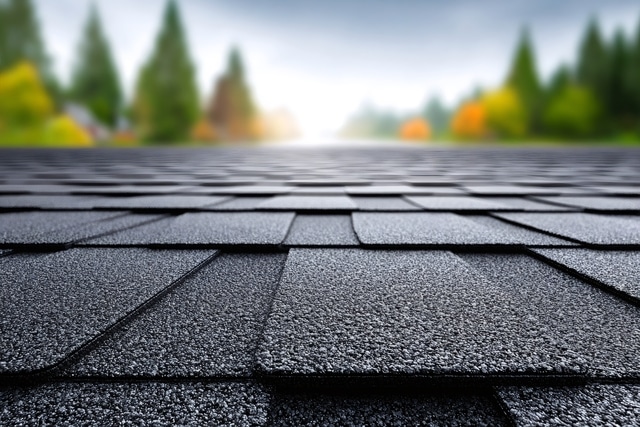
Standing seam panels, properly fastened and spaced, form a continuous surface that prevents wind uplift from gaining leverage. Shingles may work in calm weather, but under storm stress, their layered design leaves more edges exposed to failure. When wind speeds rise, metal panels hold firm while shingles often peel in sections, opening paths for immediate water intrusion. In Port Charlotte, the difference between a strong seam and a torn row of shingles becomes obvious the first time pressure tests your roofline. That’s why we install for resistance, not just for looks.

Water Management Starts With Direction, Not Damage Control

Florida rain doesn’t trickle; it slams, pools, and penetrates if your roof isn’t pitched or sealed properly. Metal roofing systems channel water with speed and intention, shedding it through seams designed to route runoff away from vulnerable areas. We’ve seen Port Charlotte roofs with ponding issues that led to decking rot simply because the water had nowhere else to go. Metal offers drainage before damage, not after. That’s why we don’t rely on caulk as a solution; we design the entire roof to move water off your home, not let it linger above it.

Salt, Heat, and UV Breakdown Are Built Into This Region

Roofs in Port Charlotte aren’t just battling rain; they are constantly exposed to solar radiation, salt, and high humidity. Asphalt and tile materials crack, fade, and separate under that environmental pressure unless maintained religiously. Metal systems, particularly those with Kynar 500 coatings, are made to resist UV degradation and salt-induced corrosion long after other materials show wear. These roofs reflect heat, reducing indoor temperature strain, and they don’t rely on surface granules that disappear over time. This isn’t optional protection; it’s required performance in a coastal city like Port Charlotte.

Your Budget Might Argue, But Your Timeline Won’t

Homeowners sometimes hesitate on metal because the price is higher than shingles upfront. What they don’t always calculate is the cost of replacing shingles once, twice, or even three times within a 20-year span. We’ve seen Port Charlotte residents spend more over time patching and replacing than they would have with one metal install done right. Metal isn’t a splurge; it’s a plan. PRG Roofing & Construction Inc. offers systems that reduce total lifecycle costs, lower maintenance headaches, and protect property value from both wind and water.

Metal Doesn’t Mean Industrial Anymore

Worried about appearance? Modern metal roofing comes in designs that look like shake, tile, and even slate, with none of the fragility. You can get high performance without compromising visual curb appeal, which matters if you care about aesthetics and function. Port Charlotte homes don’t have to pick one or the other anymore. With metal roofing, strength and beauty are no longer a tradeoff. You’re not sacrificing style; you’re anchoring it in structure.

There’s No More Time Once the Forecast Is Named

When the first storm is named, suppliers tighten, crews fill up, and prices spike. By then, it’s too late to choose wisely; you’re simply hoping for availability. Port Charlotte residents who act now have access to better materials, better scheduling, and the peace of knowing their roof is already ready. PRG Roofing & Construction Inc. provides pre-season inspections and full roof consultations built around weather, not just aesthetics. Call (239) 237-2906 today and let us help you make the smart decision before pressure forces the desperate one.

Leave us a Review on BBB

Notary Services

© Copyright 2026 PRG Roofing & Construction, Inc. All Rights Reserved. Website by Visitivity Inc.