Fort Myers, FL – Is It Time to Replace Your Roof? What Homeowners Need to Know

roof replacement by PRG roofingMost homeowners don’t think about their roof until something goes wrong. A dark spot appears on the ceiling. Shingles blow off during a storm. Or worse—your insurance company sends a letter saying they won’t renew your policy unless you replace your aging roof.

At PRG Roofing & Construction, we’ve helped hundreds of Southwest Florida families navigate the roof replacement decision over the past two decades. While every situation is unique, certain patterns emerge that help determine whether repair makes sense or if it’s time for a complete replacement.

The Warning Signs You Shouldn’t Ignore

Age alone doesn’t determine when a roof needs replacement, but it’s a significant factor—especially in Southwest Florida’s demanding climate. Asphalt shingle roofs in Fort Myers and Cape Coral typically show meaningful deterioration between 15 and 20 years, while metal roofs can last considerably longer with proper maintenance.​

Beyond age, several specific indicators tell us when replacement makes more financial sense than ongoing repairs:​

Granule accumulation in your gutters signals that shingles are losing their protective coating. When you start finding what looks like coarse sand collecting after every rain, the asphalt layer underneath is becoming exposed to UV damage.

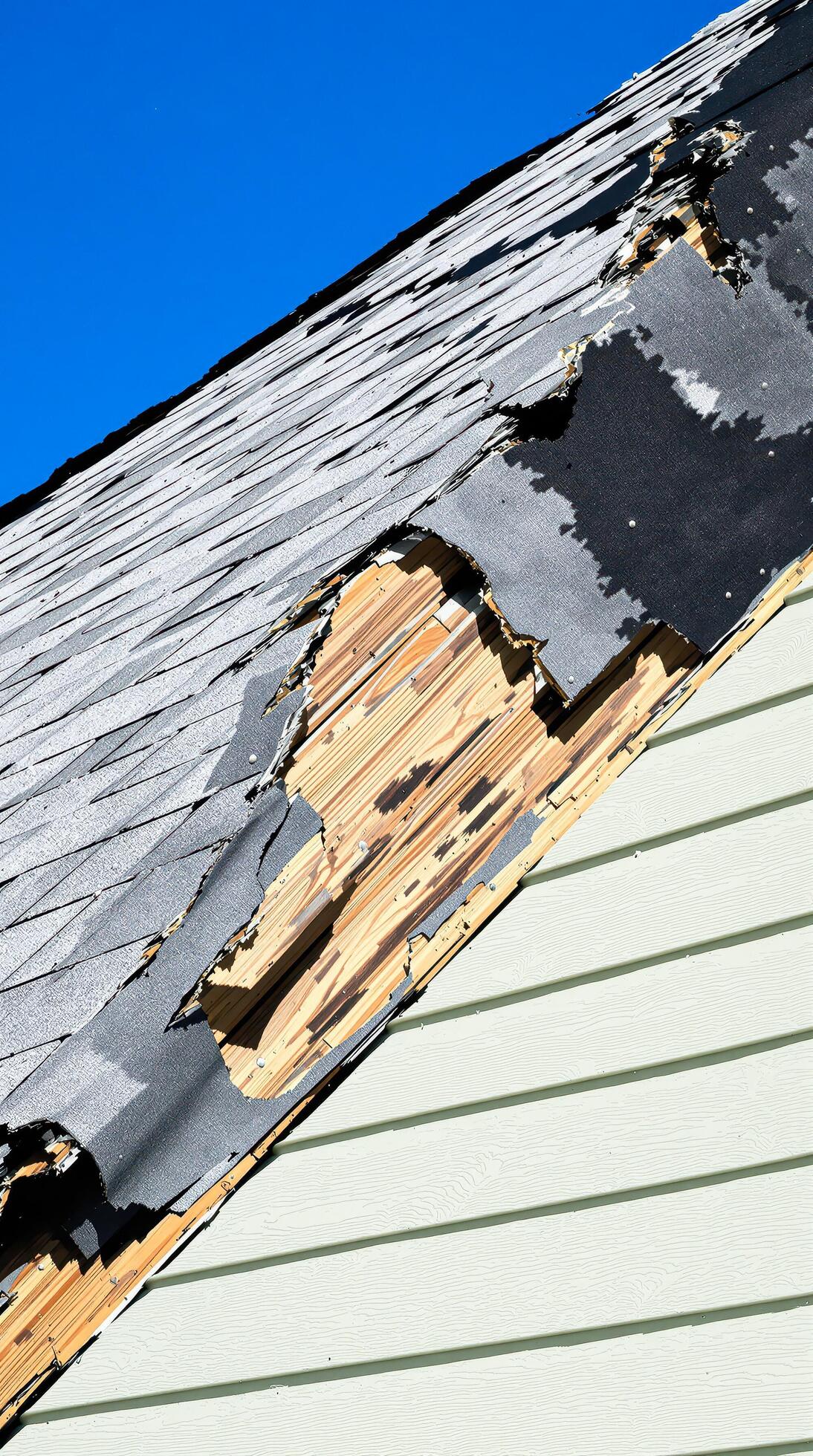
Edges that lift repeatedly after storms indicate that the adhesive seal has failed permanently. You can have these areas repaired, but if the problem keeps returning across multiple sections, the entire roof system has likely reached the end of its effective service life.

Soft or spongy decking means water has already penetrated through the roofing layers and compromised the structural foundation. We test for this during inspections by checking deck flexibility and running moisture readings across the roof field.​

Multiple repair areas that overlap create a patchwork that eventually costs more than replacement would have. When repair invoices start adding up, it’s usually time to consider a comprehensive solution.

The biggest mistake we see homeowners make is continuing to patch problems for too long. By the time you’ve invested in multiple repair calls over several years, you’ve often spent enough to have covered a significant portion of a new roof—one that would deliver decades of reliable protection instead of temporary fixes.​

What Actually Happens During a Roof Replacement

If you’ve never been through a roof replacement, the process might seem mysterious or overwhelming. Our approach breaks down into clear, documented stages that ensure quality from start to finish.

We always perform a complete tear-off to the deck rather than layering over existing materials. This allows us to inspect the actual structural foundation of your roof—something you can’t properly evaluate when old shingles remain in place. We remove damaged sections of decking and test moisture levels across the entire roof field using calibrated meters. When readings approach 18%, we replace those boards rather than trapping moisture beneath your new roof.​

Once the deck is sound and dry, we install appropriate underlayment based on your roof’s specific exposure and slope. All penetrations—vents, pipes, chimneys—get reflashed to current Florida Building Code standards, and edge metal is installed to protect vulnerable perimeter areas.​

The final critical element involves balanced ventilation. Proper airflow requires intake at the soffit level and exhaust at the ridge, creating continuous circulation that prevents heat and moisture buildup in your attic space. This step directly affects how long your new roof lasts in Southwest Florida’s heat and humidity.

Throughout every project, we document each phase through our CompanyCam system. You’ll have access to photos showing your deck condition, underlayment installation, and finished product—creating a permanent record of exactly what was done and how.​

Most residential replacements in our service area finish within three to five days depending on size, complexity, and weather. We don’t rush quality for the sake of speed, but we also understand that nobody wants their home exposed longer than necessary.​

Understanding What Replacement Actually Costs

Roof replacement represents a significant investment, and homeowners deserve honest information about what drives those costs.​

Material selection creates the largest cost variable. Architectural asphalt shingles—the most common choice for residential properties—typically range from $4 to $8 per square foot installed. Metal roofing systems run higher, generally $5 to $12 per square foot depending on panel type, with standing seam installations at the premium end of that range.​

Several other factors influence final pricing:​

Roof size and complexity directly affect labor hours and material quantities. A simple gable roof replaces much faster than a multi-level design with numerous valleys, dormers, and penetrations.

Decking condition becomes evident only after tear-off. Homes with extensive wood rot or water damage require additional materials and labor that can’t be accurately quoted until we expose the deck.

Code compliance requirements vary based on location and building vintage. Homes in High Velocity Hurricane Zones face stricter specifications for materials and fastening patterns that affect both product costs and installation time.​

Structural considerations occasionally arise when homeowners want to upgrade from lighter materials like asphalt to heavier systems like tile. Some structures require reinforcement before they can safely support the increased weight.

At PRG, we build estimates around verified measurements and transparent line items that clearly show what’s included. When you compare multiple bids, pay attention to what each contractor specifies—the lowest price often excludes critical steps like proper flashing details, moisture testing, or adequate ventilation.​

Upgrades Worth Considering During Replacement

Once you’ve committed to a roof replacement, certain upgrades provide measurable value that extends beyond basic protection.​

Impact-resistant shingles with Class 4 ratings offer superior defense against flying debris during storms and frequently qualify for insurance premium reductions. The upgrade cost—typically several thousand dollars—often pays for itself through lower insurance premiums over five to seven years.​

Enhanced ventilation addresses Florida’s extreme heat and humidity more effectively than minimum code requirements. Proper airflow prevents the moisture accumulation that damages roofs from the inside out, a particularly common problem in our climate.​

Cool roof technology includes reflective coatings and specialized shingles that bounce solar radiation away from your home. This reduces attic temperatures, lowers cooling costs, and can extend the service life of your roofing materials by reducing thermal stress.​

Premium underlayment provides additional waterproofing protection, especially valuable for coastal properties where wind-driven rain creates persistent challenges. While Florida Building Code requires sealed roof decks, upgraded underlayment exceeds minimum standards for enhanced leak protection.​

The PRG Approach to Roof Replacement

Our process centers on verification rather than assumptions. Before we recommend replacement, we document the conditions that justify it—through photos, moisture readings, and slope measurements. During installation, we seal every fastener head, secure every ridge, and verify proper airflow before calling the job complete.​

We don’t finish projects when the crew leaves—we finish when documentation matches performance and every detail has been inspected.​

If you’re noticing warning signs like lifted edges, ceiling stains, or shingles that have become brittle and cracked, the smart move is scheduling a professional inspection before minor issues become major expenses. We serve Fort Myers, Cape Coral, Naples, Bonita Springs, Sanibel, Captiva, and surrounding areas with comprehensive assessments that give you the information you need to make informed decisions about your home’s protection.

Your roof isn’t just shingles and nails—it’s the primary defense system for everything underneath it. That’s why we approach every replacement with the understanding that our work needs to perform flawlessly for decades, not just pass inspection on installation day.


Fort Myers, FL – The Complete Guide to Shingle Roofing in Lee County

What Every Homeowner Should Know

If you’ve lived in Lee County for any amount of time, you’ve probably noticed that roofs don’t last quite as long here as they do in other parts of the country. Between hurricane-force winds, unrelenting sun, and humidity that never seems to quit, Southwest Florida puts asphalt shingle roofs through challenges that few other climates can match.​

At PRG Roofing & Construction Company, we’ve been helping homeowners navigate these challenges since well before Hurricane Charley changed the landscape in 2004. Our team has seen what works, what fails, and what makes the difference between a roof that needs replacement in ten years versus one that protects your family for decades. This guide breaks down everything you need to know about shingle roofing in Lee County—from the materials available to you, to how your choices impact insurance coverage and long-term costs.​

The Three Categories of Asphalt Shingles

Walk into any roofing discussion and you’ll hear terms like “architectural” and “3-tab” thrown around. Here’s what those actually mean for your home and budget:​

3-Tab Shingles: The Budget-Friendly Option

These are the flat, uniform-looking shingles you’ll see on many older homes throughout Cape Coral and Fort Myers. Each shingle strip features three evenly spaced tabs that create a consistent pattern across the roof. They’re manufactured as a single layer of fiberglass mat coated with asphalt and topped with protective granules.​

The appeal is straightforward: 3-tab shingles cost roughly half what you’d pay for premium alternatives. But that savings comes with trade-offs. Their thinner profile means less protection against wind uplift—a serious concern when you’re in the direct path of Gulf storms. In Lee County’s climate, most 3-tab roofs need replacement within 10 to 15 years.​

Architectural Shingles: The Sweet Spot for Most Homeowners

Also known as dimensional or laminated shingles, architectural shingles have become the standard choice for quality-conscious homeowners across Southwest Florida. These shingles bond multiple layers together to create depth and texture that resembles more expensive materials like cedar shake.​

That multi-layer construction isn’t just about looks. The added weight and thickness provide substantially better wind resistance and impact protection. Many architectural shingles—like the GAF Timberline HDZ products we frequently install—include built-in algae resistance and come with wind warranties that cover unlimited speeds when properly installed. With proper maintenance, architectural shingles typically last 20 to 25 years in Florida’s harsh environment.​

Designer Shingles: Premium Protection That Performs

At the top end of the shingle market, designer (or luxury) shingles deliver performance that rivals tile and slate systems at a significantly lower price point. These heavyweight shingles use enhanced asphalt compositions and extra-thick construction to achieve exceptional durability.​

Designer shingles excel at replicating high-end roofing materials—you’ll find options that convincingly mimic slate, shake, or even clay tile. Beyond aesthetics, they offer Class 4 impact ratings (the highest available) and service lives that can reach 40 to 50 years when maintained properly. While the upfront investment is considerably higher, many homeowners in high-end neighborhoods from Sanibel to Naples choose designer shingles for the combination of curb appeal, insurance benefits, and decades-long protection.​

What Quality Really Means in a Florida Shingle

Two shingle products might look identical in a showroom but perform very differently on your roof. At PRG Roofing, we focus on specifications that directly affect how well your roof holds up to Southwest Florida’s weather patterns:​

Wind Performance Standards

Lee County building codes require materials rated for sustained winds of at least 130 mph in designated wind zones. Many insurance carriers won’t provide full coverage unless your roof meets minimum 110 mph ratings, and some offer better premiums for 130+ mph systems.​

Wind ratings depend on more than just the shingle itself—proper installation matters just as much. We install every shingle with at least six nails, even when code allows fewer, because we’ve seen firsthand what happens when corners get cut during hurricane season.​

Impact Resistance That Protects Your Investment

When debris starts flying during a storm, impact-resistant shingles are what stand between minor cosmetic damage and expensive repairs. Shingles with Class 3 or Class 4 impact ratings incorporate reinforced construction that resists penetration from hail and wind-borne objects.​

These ratings aren’t just about storm protection—they often qualify you for meaningful insurance discounts that offset the higher material costs over time.

Algae Protection for the Long Haul

The black streaks you see on older roofs across Fort Myers aren’t dirt—they’re algae colonies thriving in Florida’s humidity. Beyond looking unsightly, algae growth retains moisture that accelerates shingle deterioration and can eventually lead to leaks.​

Quality shingles incorporate copper-based algae-resistant granules that inhibit growth for years. This feature matters most on north-facing slopes and shaded areas where moisture lingers longer.​

How Long Your Shingle Roof Will Actually Last Here

Ask a shingle manufacturer about lifespan and they’ll quote you numbers like “30-year warranty” or “lifetime protection.” Those numbers are based on ideal conditions—and Lee County’s climate is anything but ideal.​

Florida’s combination of extreme heat, intense UV radiation, constant humidity, and regular severe weather creates probably the toughest testing ground for asphalt shingles in the continental United States. The daily expansion and contraction as temperatures swing from scorching afternoons to cooler nights causes stress that eventually leads to cracking and warping.​

Here’s what realistic lifespan expectations look like in our area:​

  • Basic 3-tab shingles typically need replacement after 10-15 years
  • Quality architectural shingles last 20-25 years with proper care
  • Premium designer shingles can reach 40-50 years when maintained correctly

Several factors beyond shingle quality influence how long your roof lasts. Adequate attic ventilation prevents heat and moisture buildup that damages shingles from below—without proper airflow, trapped heat accelerates aging and creates conditions where mold thrives. Regular maintenance makes a significant difference too. Simple steps like clearing debris, addressing minor damage promptly, and scheduling inspections after major storms can add years to your roof’s functional life.​

PRG’s preventive maintenance plans help property owners throughout Lee County stay ahead of problems before they become expensive emergencies.​

The Insurance Equation: What Your Shingle Choice Means for Coverage

Your roof directly affects both your ability to get insurance coverage and what you’ll pay for it. Understanding these requirements helps you make choices that protect both your home and your wallet.​

Age Limits That Catch Homeowners Off Guard

Florida’s insurance market has become increasingly strict about roof age. Many carriers automatically deny coverage or require full replacement for any shingle roof older than 15 to 20 years, regardless of its actual condition. A well-maintained 19-year-old roof with no visible problems might still trigger a coverage denial simply based on age—a frustrating reality that many Lee County homeowners discover only when shopping for new policies.​

Material Standards That Affect Your Premiums

Insurance companies care deeply about wind and impact ratings because these specifications directly correlate to claim likelihood. Most carriers require at minimum 110 mph wind-rated shingles for standard coverage, but homes with 130+ mph rated systems often qualify for substantially lower premiums.​

Impact resistance matters too. Shingles with Class 3 or Class 4 ratings frequently qualify for discounts—sometimes 10% or more—in areas subject to severe weather like Lee County.​

Why Documentation Matters

When PRG installs your roof, we document every phase through our CompanyCam system—from the condition of your decking to the final ridge cap installation. This comprehensive photo record isn’t just for our quality control. It provides proof to insurance inspectors that your roof was installed correctly, with proper materials, following current building codes.​

Inspectors scrutinize nail patterns, flashing details, underlayment type, and code compliance—all areas where our attention to detail ensures your roof meets or exceeds requirements and qualifies for the best available coverage.​

Making Smart Decisions for Your Home

Choosing the right shingle roof means looking beyond the initial price tag to consider total cost of ownership, insurance implications, and realistic performance expectations in Southwest Florida’s demanding environment.​

Whether you’re planning a replacement for your Cape Coral home, need storm damage repairs in Fort Myers, or want expert guidance on the best materials for your Bonita Springs property, PRG Roofing & Construction brings more than four decades of combined experience to every project.​

We don’t operate on sales tactics or pressure. Instead, we educate our clients about their options, provide detailed proposals that explain every component and decision, and deliver custom-fabricated flashings from our in-house metal shop to ensure every element of your roof system fits perfectly and performs as designed.​

Your roof is more than just shingles—it’s a complete system that protects everything under it. That’s why we focus on the details that make the difference between adequate and exceptional, between a roof that survives the next storm and one that needs expensive repairs afterward.


Fort Myers, FL – Are all metal roofs really the same in Southwest Florida?

metal roofing company in fort myers, flMetal roofing has become one of the most popular choices for homes and businesses across Southwest Florida, but there’s one question that rarely gets asked out loud: are all metal roofs really the same? The short answer is no—and the differences can have a major impact on how your property weathers the next storm, how long your roof lasts, and even what you pay for insurance.​

Why Metal Roof Quality Matters in SWFL

Southwest Florida is one of the toughest testing grounds in the country for any roofing system. Between hurricanes, intense UV exposure, salty air, and heavy rain, a metal roof that looks fine on day one can start to fail much sooner than expected if it’s not designed and installed for this specific environment.​

At PRG Roofing & Construction Company, our team has more than four decades of combined roofing experience in this region, from pre-Charley installs to post-Ian rebuilds. That history has shown, again and again, that details like panel type, metal thickness, fastener systems, and flashing design make the difference between a roof that survives the storm and one that needs emergency repairs.​

Types of Metal Roofs You’ll See in Southwest Florida

Not every “metal roof” you see in Lee and Collier County is built to the same standard. The three most common categories are:​

  • Corrugated (5V) metal panels with exposed fasteners
  • Standing seam metal roofing with concealed fasteners
  • Specialty or stone-coated steel systems

Corrugated panels are often chosen for their lower upfront cost, but they rely on hundreds of exposed screws to hold the system in place. Each one is a potential leak point as gaskets age and metal expands and contracts. Standing seam systems, like the custom roofs PRG installs, hide the fasteners beneath the panels, dramatically reducing those potential failure points while delivering a cleaner, more modern look.​

What to Look for When Choosing a Metal Roof

When you’re comparing quotes or evaluating roofing options, focus less on the buzzwords and more on the specifications and installation practices. Key factors include:​

  • Panel gauge (thickness): In our climate, thicker metal (often 24-gauge for standing seam) offers better resistance to wind, impact, and oil-canning than thinner 26–29-gauge panels commonly used on budget systems.​
  • Metal type: Galvalume-coated steel performs well on many inland homes and commercial buildings, while aluminum is often preferred for coastal properties where salt spray accelerates corrosion.​
  • Wind uplift and fastening: Systems should be engineered and installed to meet or exceed local wind requirements, with fastening patterns, clips, and attachments designed for hurricane-force gusts.​
  • Flashings and transitions: Custom-fabricated flashings, ridge caps, and edge metals—made in-house for each project—help prevent water intrusion at the most vulnerable areas of the roof.​

PRG’s process includes detailed, step-by-step proposals, material samples, and live photo documentation through CompanyCam so you know exactly what’s being installed on your home or building and why it matters.​

Features and Benefits of Quality Metal Roofing

A properly designed and installed metal roof does far more than just look good. For Southwest Florida properties, some of the most important benefits include:​

  • Hurricane-ready performance, with systems that can be engineered to withstand winds up to 180 mph when installed to manufacturer and code requirements.​
  • Long service life, often 20–30 years or more when using high-quality panels, coatings, and proper underlayments.​
  • Energy savings from reflective “cool roof” finishes that help reduce attic temperatures and lower cooling costs.​
  • Eco-friendly materials, often incorporating recycled content and fully recyclable at the end of the roof’s life.​

As a best local roofer trusted by homeowners, property managers, HOAs, and developers throughout Southwest Florida, PRG focuses on these long-term performance factors—not just the initial price tag.​

How a Metal Roof Can Affect Your Insurance in Lee and Collier County

For many homeowners, one of the most overlooked advantages of upgrading to metal is how it can influence insurance premiums. Insurers in Florida increasingly reward resilient roofs because they reduce the likelihood and cost of claims.​

Depending on the carrier and the specific system installed, a metal roof may help you qualify for:​

  • Wind mitigation credits for roofs that meet stricter uplift and fastening standards
  • Discounts for impact-resistant or hail-resistant roofing products
  • Lower premiums due to Class A fire ratings and reduced risk of roof-related losses
  • New-roof discounts when replacing an older, less resilient system

Because every policy is different, it’s always smart to share your roofing specifications and documentation with your insurance agent after installation. PRG’s detailed reports and photo documentation make that conversation much easier and help you clearly show the value of your new roof.​

For homeowners and businesses in Fort Myers, Cape Coral, Naples, Bonita Springs, Estero, Sanibel, Captiva, Punta Gorda, and Port Charlotte, a metal roof is more than a style choice—it’s a strategic decision about protection, longevity, and total cost of ownership.​


PRG Roofing’s Success with Drexel Metals

For PRG Roofing & Construction, roofing is more than a trade. It is a skilled craft that has been passed down through generations. Founded by Randy Garand in 2018, who started his career as a roofing installer in the 1980s, this Fort Myers, Florida, based business operates on a simple guiding principle: do it right the first time.

“My father, a roofing installer himself, drilled into me the importance of doing things properly the first time—not just for speed, but for long-term durability and pride in your work,” Garand shared. This philosophy continues to define PRG Roofing’s approach to business today, which is carried out by Garand and Rob Sineni, the company’s general manager.

Serving Southwest Florida, the roofing business is known for its hands-on leadership, clear communication, and a deep commitment to every project they work on. “For us, it’s about the people, about standing behind your work, and being the roofer we’d hire for our own home,” Garand explained.

Drexel Metals’ roofing stands strong through Florida storms 

A seasoned roofer with more than four decades of experience, Garand knows that few regions test a roof like Southwest Florida. Between high-speed winds, tropical storms, extreme heat, and humidity, roofs must withstand some of the harshest conditions in the country. That’s why Garand has relied on standing seam metal roofs from Drexel Metals since 2008, long before he founded PRG Roofing.

A side-by-side image showing a before and after of a metal roof job.


“We’ve had a lot of storms, and we haven’t had a single roof failure yet,” Garand noted. “Even through Hurricane Ian, which is the costliest hurricane in Florida’s history, every one of our Drexel Metals roofs stayed in place.”

In particular, he recalled one project from 2018 that has now successfully weathered three major hurricanes without a single issue. “While traditional roofs around them were shredded, theirs looked like the day we put it on,” Garand shared. “That homeowner became our biggest advocate in the community, and we ended up doing many more roof installations in the neighborhood.”

The engineering behind metal roofing confidence

The performance behind Drexel Metals’ standing seam metal roofing isn’t by chance; it’s engineering. Designed for challenging environments, a standing seam metal roof can provide wind resistance of up to 120 miles per hour. Select systems are certified to wind resistance testing standards such as: UL 580 Wind Uplift, TAS 125 Wind Uplift, UL 1897 Extended Phase Wind Uplift, ASTM E1592 Uniform Static Pressure Uplift, and ASTM E1680 Air Infiltration. They are also certified to the highest impact resistance class, according to UL 2218 impact rating standards. This helps mitigate the risk of damage from wind-borne debris that flies during storms.

A side-by-side image showing a before and after of a metal roof job.
Pictured: Storm-damaged shingle roof (left) and PRG’s completed metal roofing installation (right). 


Tested to multiple standards, roofing systems made from a high-quality metal substrate can also endure fire and rain events. With this level of performance, standing seam metal roofs by Drexel Metals can last roughly two to three times longer than other roofing systems, reducing replacement costs and improving safety. This long-term durability has led to Florida homeowners wanting more metal roofs over their heads. “When people saw their asphalt shingle roofs shredded during storms and the metal roofs still intact, it was a no-brainer,” Garand shared. “They wanted what survived.”

Business growth through partnership and education

PRG Roofing’s steady growth is rooted in quality craftsmanship and integrity. Garand and Sineni also attribute part of their success to their longstanding partnership with Drexel Metals.

A before and after image showing a roof after a natural disaster and a reroof of a metal roof on the home.
Pictured: Storm-damaged shingle roof (left) and PRG’s completed metal roofing installation (right). 


“We carry samples from different manufacturers to our sales visits,” Sineni explained. “When customers hold a directional panel that we install with clips next to a thinner 26-gauge nail-strip panels, the difference is clear. We then ask them, ‘Which one would you rather have protecting your home?’ They always understand once they feel it.”

Garand and Sineni also value the direct relationship they have with Drexel Metals. “Being able to buy directly from a trusted manufacturer gives us control over the coils and flat sheets that go on our projects. That’s how we maintain quality,” Sineni said.

A before and after image of a home in Sanibel after Hurricane Ian and a reroof with a metal roof.
Pictured: Storm-damaged shingle roof (left) and PRG’s completed metal roofing installation (right). 


In a market where roofing can easily become a commodity, PRG Roofing also values Drexel Metals’ consistency and accountability. “When you buy through a supplier, you don’t always know where the product comes from or how it’s made,” Garand explained. “With Drexel Metals, we know the origin, the process, and the people behind it. Working with them also gives us more peace of mind on warranties.”

That trust has proven its worth in Florida’s demanding climate. “Fortunately, we’ve had no warranty claims or issues ever,” Garand shared. “Our roofs’ proven performance through major storms has put us in the spotlight and promoting Drexel Metals’ standing seam metal roofs has almost tripled our business.”

Raising the bar for roofing excellence

With every Drexel Metals roof installed, PRG Roofing strengthens its reputation for excellence and resilience. Their track record through Florida’s harshest storms speaks for itself. It is proof that when craftsmanship meets engineered performance, the result is roofing that truly lasts.

Reach out to your nearest Drexel Metals Representative to embrace the future of roofing in the Sunshine State and the surrounding Gulf Coast states.

Fort Myers, FL – Why Concrete Tile Roofs Are Florida’s Smartest Long-Term Investment

New conrete roof tiles by Westlake Royal RoofingWhen homeowners in Fort Myers, Naples, Cape Coral, and Bonita Springs ask us about roofing materials that can truly stand up to Florida’s brutal climate, we always start the conversation with concrete tiles. At PRG Roofing & Construction, we’ve seen firsthand how the right roofing investment protects homes for decades—and concrete tile consistently delivers on that promise.

Built to Withstand Everything Florida Throws at Them

Concrete tile roofs aren’t just durable—they’re hurricane-tested. These systems can withstand wind speeds up to 180 mph, making them one of the most reliable barriers against Southwest Florida’s severe weather patterns. Unlike asphalt shingles that may lift or tear during storms, properly installed concrete tiles create an interlocking system that actually gets stronger under pressure.

We’ve walked countless roofs after major hurricanes—from Charley in 2004 to more recent storms like Ian and Milton. The homes with quality concrete tile systems consistently show minimal damage, while other roofing materials require extensive repairs or complete replacement.

Energy Efficiency That Pays You Back

Florida summers are expensive—but concrete tile roofs help offset those costs. The natural layered design creates an air gap that allows heat to dissipate rather than transfer into your attic space. Homeowners throughout Lee County and Collier County report noticeable decreases in cooling bills after switching to concrete tiles.

Modern concrete tile systems, like those from Westlake Royal’s Newpoint line, offer advanced reflective coatings that further enhance energy performance. These tiles earn Cool Roof certifications, and many insurance providers offer discounts for wind and fire-resistant materials—sometimes up to 22% on premiums.

Profiles That Complement Every Architecture Style

One size doesn’t fit all—especially in Southwest Florida’s diverse architectural landscape. Whether you’re maintaining a Spanish Colonial home in Naples or updating a contemporary design in Estero, concrete tiles offer profile options to match any aesthetic.

The Newpoint product line includes everything from traditional Barcelona 900 mission tiles for Mediterranean-inspired homes to low-profile Saxony slate designs that work beautifully with modern architecture. Each profile is available in multiple color options, from natural earth tones like Earthen Shadow and Tree Bark Blend to contemporary choices like Platinum Peak.

Investment-Grade Longevity

Here’s what separates concrete tiles from every other roofing material: they’re built to last 50 to 100 years. Compare that to asphalt shingles, which typically need replacement every 15-20 years in Florida’s climate, and the math becomes clear. Quality concrete tiles maintain their structural integrity and color stability for decades, even under constant UV exposure and salt air.

At PRG Roofing & Construction, we see this longevity every day. Homes we’ve worked on throughout Sanibel, Captiva, and Port Charlotte still have concrete tiles that look and perform like new after 20+ years.

Why Installation Details Matter

The tile is only as good as the system beneath it. That’s why we focus on every layer—from proper decking preparation to premium underlayment selection. Our custom-fabricated flashings ensure each installation fits your specific roof geometry, not generic one-size-fits-all solutions.

Through our CompanyCam documentation system, clients can see exactly how we’re building their roof for maximum performance and longevity. Because when you’re investing in a roof that should last half a century, every detail matters.

Ready to explore concrete tile options for your Southwest Florida home? Contact PRG Roofing & Construction for a detailed assessment and see why more homeowners throughout Fort Myers, Naples, and the surrounding communities choose concrete tiles as their long-term roofing solution.

Port Charlotte, FL – Pros & Cons of Flat Roofs from a Residential Roofing Company

In Port Charlotte, many homeowners choose flat roofs because they offer lower upfront costs and a clean, modern appearance. They allow easy installation of solar arrays, HVAC units, or rooftop storage without complicated framing. But the same low slope that makes them affordable also makes them vulnerable. Pooling water, seam failure, and faster weathering are constant risks. A flat roof can be the right choice, but only if you accept that it needs regular attention.

Affordability Is The Main Advantage
Flat roofs cost less to install than pitched systems, which makes them appealing for Port Charlotte residents managing tight budgets. The design requires fewer materials, and installation is usually faster, which reduces labor costs. Access is also simpler, meaning inspections and small repairs cost less over time. That combination of lower initial price and easier maintenance is why many homeowners still choose flat roofs. Affordability is real, but it is not permanent without consistent upkeep.

Drainage Is Always The First Concern
A flat roof will never shed water as easily as a pitched one. During Port Charlotte storms, drains and scuppers must perform perfectly to keep water from pooling. When those systems clog, the weight of ponding water crushes insulation, weakens membranes, and pushes water through seams. Even a few hours of standing water can shorten the life of the entire roof. A flat roof without clean drainage is not a protective system, it is a liability.

Flat Roofs Turn Space Into An Asset
One clear benefit is usable space. Homeowners in Port Charlotte can mount HVAC units, solar panels, or other systems without complex engineering. The layout makes these installations easier to access and maintain, saving time and cost during service. This flexibility turns a basic roof into a functional extension of the home. What is usually wasted airspace becomes valuable utility space when designed and reinforced correctly.

Flat Roofs Age Faster In Florida Heat
Sun exposure in Port Charlotte accelerates aging for flat roofs more than pitched designs. Heat dries adhesives, opens seams, and stresses membranes until cracks form. Lifespan is usually shorter unless owners reinforce the system with reflective coatings or upgraded materials. Coatings add years by sealing micro-cracks and reflecting solar load, reducing surface temperature. Timing matters, because coatings work best when applied before serious damage develops.

Seams Fail First, Not Membranes
Most homeowners believe roof membranes are the weak link, but in reality seams fail earlier. Adhesives break down, water seeps beneath insulation, and problems remain invisible until they become expensive. At PRG Roofing & Construction Inc., we inspect seams by hand during every evaluation. Reflective coatings not only lower rooftop temperatures but also help protect seams from splitting. A roof lives or dies at its seams, not its surface.

Style Is A Benefit But Maintenance Is Essential

Flat roofs offer a contemporary look that fits well with many Port Charlotte properties. They make emergency access easier for crews and provide flexible design opportunities for additions. When reinforced and inspected regularly, they can balance style with long-term function. But appearance is only one side of the equation. A flat roof must be supported with maintenance, or style will fail under the first storm.

Make The Smart Choice For Port Charlotte Homes
Flat roofs can be practical and affordable for Port Charlotte homeowners, but they require realistic expectations. They offer low cost, functional space, and modern design, but also bring drainage demands, shorter lifespans, and seam concerns. PRG Roofing & Construction Inc. helps homeowners weigh both sides and protect roofs with inspections, reinforcements, and coatings. Call us today at (239) 237-2906 to find out if a flat roof is the right fit for your Port Charlotte home and how to make it last.

Naples, FL – Comparing Repair vs Replacement Roofing Services from a Roofer​

In Naples, we have walked roofs that looked rough at first glance but were fully repairable upon closer inspection. Too often, a single lifted shingle or ceiling stain is used to justify a full replacement, even when no structural failure exists. Some roofers make fast assumptions based on symptoms, not testing, which leads homeowners toward big-ticket replacements that are neither necessary nor urgent. We believe no one should be pressured into a five-figure decision without real evidence. That is why we never recommend replacement unless we can show you, with documentation, what is failing and why it cannot be fixed with a focused repair.

Repair Is Not a Shortcut, It Is a Strategic Choice 

When done correctly, a targeted roof repair buys you time, insight, and control over your home’s condition and finances. In Naples, we have extended the lifespan of structurally sound roof systems by years through clean, localized fixes. A leak does not always mean a roof is dead, it often means a pipe boot has failed, a flashing has lifted, or underlayment has been exposed in one isolated area. These issues are repairable when addressed early, and we show you exactly where and why. A roof replacement should be a scheduled event, not a reaction to fear or guesswork.

When Replacement Really Is the Right Call 

Not every roof is worth saving, and we will never pretend otherwise to win your trust. If we find soft decking, saturated insulation, corroded fasteners, or widespread membrane separation, we will not try to patch over problems that need a fresh start. We have walked Naples homes where the real issue was deeper than any shingle or sealant, issues like poor slope, airflow restriction, or rotted trusses that cannot be addressed with repairs. When we recommend replacement, we explain it clearly, with photos, structural data, and specific failure points. You do not have to trust our opinion, you will see it for yourself.

The True Cost of Guessing Wrong 

Choosing to replace too early wastes money; choosing to delay too long risks your home. We have seen Naples homeowners pay for premature replacements that voided manufacturer warranties and failed to qualify for insurance credits. We have also seen mold-filled attics and ruined insulation because a repair was ignored for too long. The cost of being wrong in either direction is measured in thousands. But when you work from real data, those choices become clear and actionable. That is why we slow down, document everything, and show you what your roof is really doing before anyone makes a decision.

Inspection Should Feel Like Investigation, Not Sales 

We use moisture readings, substrate pressure tests, thermal mapping, and close-range documentation to evaluate roofing systems properly. In Naples, we treat every inspection like an investigation, not a sales pitch. We explain our findings in plain terms and provide proof of every concern we raise. If your roof is stable, we will say so; if it needs work, you will know exactly where and why. Our job is not to sell you the biggest job possible, it is to protect your timeline, your budget, and your confidence in what comes next.

What You Deserve Before You Decide 

If your Naples roof was flagged for replacement and you still have not seen evidence, stop and get clarity. Call PRG Roofing & Construction Inc. at (239) 237-2906 and let us give you a documented, technician-level inspection of your entire roof. We will show you what is strong, what is slipping, and whether a repair will truly hold, or whether it is time to start fresh. No pressure, no scripts, just proof. Because the smartest roofing decision is always the one made with eyes open and photos in hand.

Fort Myers, FL – Residential Roofing Company Discusses Common Tile Roofing Issues

PRG Roofing & Construction Tile Roof Systems in FloridaFrom the sidewalk, your tile roof in Fort Myers might look flawless, even years after installation. But that surface-level beauty can be deceptive, especially when the real problems are happening underneath. We have inspected tile roofs that appeared clean and well-installed, only to find rotted battens, cracked underlayment, and slow leaks that had gone unnoticed for months. Tile systems do not fail loudly or suddenly; they fail in stages, beneath layers, while everything above looks unchanged. By the time you see signs inside, such as ceiling stains or a musty odor, the damage has already spread.

Cracked Tiles Let Sunlight and Rain Wear Down the Layers That Matter 

It is easy to assume that a broken tile is no big deal, especially when there is no immediate leak. But in Fort Myers, those cracks allow sunlight and rain to reach the underlayment, the actual waterproofing barrier of your roof system. Once exposed, that membrane begins to dry out, curl, and separate at seams, allowing water to pool and saturate the wood deck beneath it. We have seen this scenario play out repeatedly during inspections, where a few unnoticed cracks opened the door for months of hidden damage. The tile is not the problem; it is the false confidence it gives you while the underlayment quietly fails.

Foot Traffic and Maintenance Visits Leave More Damage Than You Think 

Tile roofs are strong, but they are not designed for routine foot traffic from service technicians or untrained installers. In Fort Myers, we often find cracked tiles, shifted ridges, or mortar damage left behind after HVAC maintenance, gutter cleaning, or satellite installation. Most of the time, homeowners never realize their roof was damaged because no one told them someone walked across it. These minor shifts or fractures disrupt alignment, expose fasteners, or crack mortar seams, creating weak points that go unnoticed until the rainy season starts. Every visit to your roof without proper precautions increases the chance of long-term issues that will not show up until it is too late.

Storms Don’t Always Break Tiles, But They Shift What Protects You 

We have inspected dozens of Fort Myers tile roofs after storms that did not leave obvious damage, yet still compromised system performance. Rain-driven wind can lift tiles slightly, push water underneath them, or shift flashing just enough to let moisture creep in. Tile systems rely on alignment and coverage; even a half-inch of movement can expose a nail head or seam in the underlayment. You might not lose a tile during a Category 1 event, but the system can still be disrupted in ways that matter more. Without documentation, insurers often classify this kind of damage as age-related or maintenance, not storm-related.

Most Damage Starts With What You Can’t See 

The most common roofing issues we find in Fort Myers tile systems are invisible from the ground or even from a ladder. Underlayment decay, batten rot, exposed fasteners, and lifted flashing usually start with a small event: a cracked tile, a missed seal, or unsealed ridge cap. Once water starts penetrating the system, the damage compounds with every rainfall. Interior signs such as ceiling spots, moldy odors, or softened drywall appear only after the roof has already been compromised for weeks. Waiting for visible signs means you are already in repair territory, not prevention.

You Can’t Trust Looks, You Need Evidence 

Your tile roof might look perfect, but you have no way to know what is happening beneath the surface unless someone qualified walks every section and documents it properly. In Fort Myers, our team at PRG Roofing & Construction Inc. has helped hundreds of homeowners catch early issues before they turned into six-month repair timelines or claim disputes. Call (239) 237-2906 for a full tile roof inspection that includes photo documentation of all fasteners, seams, edges, and underlayment exposures. Because it is not the tile that causes the damage, it is the time you wait to find out what the tile is hiding.

Fort Myers, FL – Comparing Cool Roofs vs. Traditional Roofs from a Roofing Company

In Fort Myers, your roof doesn’t just protect your home from rain and wind; it controls how much heat enters your living space. Traditional systems made from standard asphalt or tile absorb sunlight all day, store that heat, and release it long after the sun sets. We’ve stood on shingles hot enough to blister skin and watched that trapped energy turn attic spaces into ovens by mid-afternoon. Cool roofing systems, on the other hand, use reflective surfaces to bounce solar energy away before it ever penetrates the home. PRG Roofing & Construction Inc. serves Fort Myers homeowners with roofing materials that push heat back into the sky, not down into your house.

The Heat Battle Starts on the Surface

The roof is the first place solar heat makes contact, and in Fort Myers, that impact is relentless. Traditional roofing systems can reach surface temperatures well above 150 degrees, which then radiate downward into insulation, attic air, and wall cavities. Cool roofs lower that temperature by 30 degrees or more by using high-reflectivity materials that stop heat before it gets in. This makes a significant difference inside the home where air conditioning systems are already working overtime. When you reduce surface temperature, you reduce indoor heat accumulation, and that leads to noticeable comfort gains and lower mechanical stress.

Cool Roofing Materials Deliver More Than Just Energy Efficiency

Reducing your utility bill is a bonus, but the true value of a cool roof is structural. When your roof stays cooler, your attic stays drier, your insulation performs longer, and your framing resists heat-driven expansion and contraction. Fort Myers homes exposed to full sun need this kind of layered protection because every part of the roof system suffers under constant thermal pressure. Cool roofing materials slow that pressure, which helps prevent sealant failures, cracked vents, and warped panels over time. The system doesn’t just run cooler; it lasts longer with fewer problems that develop from constant high heat.

The “White Roof Only” Myth Is Over

One of the most common objections we hear in Fort Myers is the belief that cool roofs only come in bright white. That was true a decade ago, but today’s high-performance roofing materials come in a wide range of colors and profiles. You can choose reflective shingles in earth tones, coated metal panels in sleek grays or bronzes, or tile finishes that match your home’s aesthetic. These materials don’t sacrifice design; they upgrade it while still reflecting heat, reducing absorption, and improving indoor temperature regulation. A cool roof isn’t about compromise; it’s about getting performance and appearance in one solution.

Your Air Conditioner Isn’t Designed to Fight Your Roof

A traditional roof adds thermal load every hour it stores heat and radiates it downward. Your air conditioner is left to chase that heat out of the house, cycling harder and longer until the temperature is back under control. In Fort Myers, this cycle repeats for months at a time, increasing mechanical wear, utility costs, and homeowner frustration. Cool roofs reduce attic temperature spikes and allow the building envelope to maintain stability without overburdening the HVAC system. Your roof shouldn’t be adding work to your equipment; it should be reducing the need for it.

Traditional Roofs Meet Code, But That Doesn’t Mean They Help

Just because a roof meets minimum standards doesn’t mean it performs well under extended heat exposure. We’ve seen Fort Myers homes with code-compliant roofs that still create heat traps above the living space, leading to uncomfortable rooms and high utility bills. Cool roofs aren’t just about compliance; they’re about improvement. They’re designed to solve a problem you don’t always see until your summer bills start to climb. PRG Roofing & Construction Inc. installs roofing systems that reduce that burden and make sure you’re not paying more to stay cool.

The Right Time Is Before the Next Hot Season

If your energy bills keep rising or your upper floors stay warm long into the night, your roof may be contributing to the problem. PRG Roofing & Construction Inc. serves Fort Myers with cool roof systems that reflect heat, lower attic temperature, and improve long-term efficiency. These systems include reflective shingles, high-emissivity tiles, and coated metal options designed to keep heat out, not in. Call (239) 237-2906 to find out what roofing materials will actually help, not just survive. If your roof is radiating heat into your home, it’s working against you, not for you.

Port Charlotte, FL – Roofing Contractor Discusses Benefits of Metal Roofs

We’ve seen Port Charlotte homes with their entire living space compromised because one weak roof section failed. A few missing shingles turned into soaked insulation, sagging drywall, and a family forced out for weeks. The real cost isn’t just material; it’s relocation, cleanup, and the emotional weight of storm aftermath. Metal roofing isn’t about prestige or resale; it’s about preventing that kind of disruption. PRG Roofing & Construction Inc. serves Port Charlotte with systems built to hold when conditions push past what most roofs can tolerate.
How Metal Roofs Deflect Wind and Buy You Time

Standing seam panels, properly fastened and spaced, form a continuous surface that prevents wind uplift from gaining leverage. Shingles may work in calm weather, but under storm stress, their layered design leaves more edges exposed to failure. When wind speeds rise, metal panels hold firm while shingles often peel in sections, opening paths for immediate water intrusion. In Port Charlotte, the difference between a strong seam and a torn row of shingles becomes obvious the first time pressure tests your roofline. That’s why we install for resistance, not just for looks.

Water Management Starts With Direction, Not Damage Control

Florida rain doesn’t trickle; it slams, pools, and penetrates if your roof isn’t pitched or sealed properly. Metal roofing systems channel water with speed and intention, shedding it through seams designed to route runoff away from vulnerable areas. We’ve seen Port Charlotte roofs with ponding issues that led to decking rot simply because the water had nowhere else to go. Metal offers drainage before damage, not after. That’s why we don’t rely on caulk as a solution; we design the entire roof to move water off your home, not let it linger above it.

Salt, Heat, and UV Breakdown Are Built Into This Region

Roofs in Port Charlotte aren’t just battling rain; they are constantly exposed to solar radiation, salt, and high humidity. Asphalt and tile materials crack, fade, and separate under that environmental pressure unless maintained religiously. Metal systems, particularly those with Kynar 500 coatings, are made to resist UV degradation and salt-induced corrosion long after other materials show wear. These roofs reflect heat, reducing indoor temperature strain, and they don’t rely on surface granules that disappear over time. This isn’t optional protection; it’s required performance in a coastal city like Port Charlotte.

Your Budget Might Argue, But Your Timeline Won’t

Homeowners sometimes hesitate on metal because the price is higher than shingles upfront. What they don’t always calculate is the cost of replacing shingles once, twice, or even three times within a 20-year span. We’ve seen Port Charlotte residents spend more over time patching and replacing than they would have with one metal install done right. Metal isn’t a splurge; it’s a plan. PRG Roofing & Construction Inc. offers systems that reduce total lifecycle costs, lower maintenance headaches, and protect property value from both wind and water.

Metal Doesn’t Mean Industrial Anymore

Worried about appearance? Modern metal roofing comes in designs that look like shake, tile, and even slate, with none of the fragility. You can get high performance without compromising visual curb appeal, which matters if you care about aesthetics and function. Port Charlotte homes don’t have to pick one or the other anymore. With metal roofing, strength and beauty are no longer a tradeoff. You’re not sacrificing style; you’re anchoring it in structure.

There’s No More Time Once the Forecast Is Named

When the first storm is named, suppliers tighten, crews fill up, and prices spike. By then, it’s too late to choose wisely; you’re simply hoping for availability. Port Charlotte residents who act now have access to better materials, better scheduling, and the peace of knowing their roof is already ready. PRG Roofing & Construction Inc. provides pre-season inspections and full roof consultations built around weather, not just aesthetics. Call (239) 237-2906 today and let us help you make the smart decision before pressure forces the desperate one.

Leave us a Review on BBB

Notary Services

© Copyright 2026 PRG Roofing & Construction, Inc. All Rights Reserved. Website by Visitivity Inc.