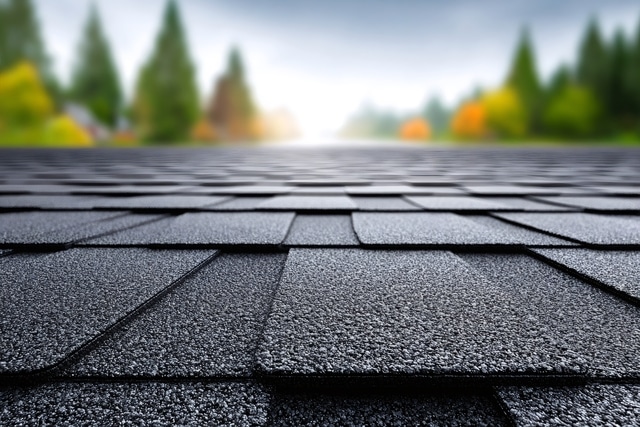
When homeowners in Fort Myers, Naples, Cape Coral, and Bonita Springs ask us about roofing materials that can truly stand up to Florida’s brutal climate, we always start the conversation with concrete tiles. At PRG Roofing & Construction, we’ve seen firsthand how the right roofing investment protects homes for decades—and concrete tile consistently delivers on that promise.
Built to Withstand Everything Florida Throws at Them
Concrete tile roofs aren’t just durable—they’re hurricane-tested. These systems can withstand wind speeds up to 180 mph, making them one of the most reliable barriers against Southwest Florida’s severe weather patterns. Unlike asphalt shingles that may lift or tear during storms, properly installed concrete tiles create an interlocking system that actually gets stronger under pressure.
We’ve walked countless roofs after major hurricanes—from Charley in 2004 to more recent storms like Ian and Milton. The homes with quality concrete tile systems consistently show minimal damage, while other roofing materials require extensive repairs or complete replacement.
Energy Efficiency That Pays You Back
Florida summers are expensive—but concrete tile roofs help offset those costs. The natural layered design creates an air gap that allows heat to dissipate rather than transfer into your attic space. Homeowners throughout Lee County and Collier County report noticeable decreases in cooling bills after switching to concrete tiles.
Modern concrete tile systems, like those from Westlake Royal’s Newpoint line, offer advanced reflective coatings that further enhance energy performance. These tiles earn Cool Roof certifications, and many insurance providers offer discounts for wind and fire-resistant materials—sometimes up to 22% on premiums.
Profiles That Complement Every Architecture Style
One size doesn’t fit all—especially in Southwest Florida’s diverse architectural landscape. Whether you’re maintaining a Spanish Colonial home in Naples or updating a contemporary design in Estero, concrete tiles offer profile options to match any aesthetic.
The Newpoint product line includes everything from traditional Barcelona 900 mission tiles for Mediterranean-inspired homes to low-profile Saxony slate designs that work beautifully with modern architecture. Each profile is available in multiple color options, from natural earth tones like Earthen Shadow and Tree Bark Blend to contemporary choices like Platinum Peak.
Investment-Grade Longevity
Here’s what separates concrete tiles from every other roofing material: they’re built to last 50 to 100 years. Compare that to asphalt shingles, which typically need replacement every 15-20 years in Florida’s climate, and the math becomes clear. Quality concrete tiles maintain their structural integrity and color stability for decades, even under constant UV exposure and salt air.
At PRG Roofing & Construction, we see this longevity every day. Homes we’ve worked on throughout Sanibel, Captiva, and Port Charlotte still have concrete tiles that look and perform like new after 20+ years.
Why Installation Details Matter
The tile is only as good as the system beneath it. That’s why we focus on every layer—from proper decking preparation to premium underlayment selection. Our custom-fabricated flashings ensure each installation fits your specific roof geometry, not generic one-size-fits-all solutions.
Through our CompanyCam documentation system, clients can see exactly how we’re building their roof for maximum performance and longevity. Because when you’re investing in a roof that should last half a century, every detail matters.
Ready to explore concrete tile options for your Southwest Florida home? Contact PRG Roofing & Construction for a detailed assessment and see why more homeowners throughout Fort Myers, Naples, and the surrounding communities choose concrete tiles as their long-term roofing solution.

 In Port Charlotte, many homeowners choose flat roofs because they offer lower upfront costs and a clean, modern appearance. They allow easy installation of solar arrays, HVAC units, or rooftop storage without complicated framing. But the same low slope that makes them affordable also makes them vulnerable. Pooling water, seam failure, and faster weathering are constant risks. A flat roof can be the right choice, but only if you accept that it needs regular attention.

 In Naples, we have walked roofs that looked rough at first glance but were fully repairable upon closer inspection. Too often, a single lifted shingle or ceiling stain is used to justify a full replacement, even when no structural failure exists. Some roofers make fast assumptions based on symptoms, not testing, which leads homeowners toward big-ticket replacements that are neither necessary nor urgent. We believe no one should be pressured into a five-figure decision without real evidence. That is why we never recommend replacement unless we can show you, with documentation, what is failing and why it cannot be fixed with a focused repair.

 From the sidewalk, your tile roof in Fort Myers might look flawless, even years after installation. But that surface-level beauty can be deceptive, especially when the real problems are happening underneath. We have inspected tile roofs that appeared clean and well-installed, only to find rotted battens, cracked underlayment, and slow leaks that had gone unnoticed for months. Tile systems do not fail loudly or suddenly; they fail in stages, beneath layers, while everything above looks unchanged. By the time you see signs inside, such as ceiling stains or a musty odor, the damage has already spread.


 We’ve seen Port Charlotte homes with their entire living space compromised because one weak roof section failed. A few missing shingles turned into soaked insulation, sagging drywall, and a family forced out for weeks. The real cost isn’t just material; it’s relocation, cleanup, and the emotional weight of storm aftermath. Metal roofing isn’t about prestige or resale; it’s about preventing that kind of disruption. PRG Roofing & Construction Inc. serves Port Charlotte with systems built to hold when conditions push past what most roofs can tolerate.