Port Charlotte, FL – How Impact-Rated Shingles Defend Homes in Storm Season

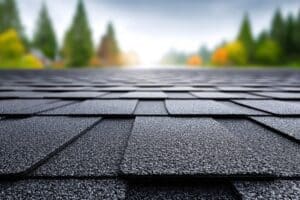
Turn over a bundle of storm-season shingles, and the wrapper carries two printed ratings, one for impact and one for wind. Impact and wind are measured by two separate tests. PRG Roofing & Construction Inc. is based in Fort Myers. Our crew replaces shingle roofs for Port Charlotte homes. The words impact rated on a wrapper can mean any of four classes, so the class number is the one to look for.

What The Top Impact Class Means

Impact testing has four classes, and each one strikes the same spot on the shingle twice with a steel ball. Lower classes use smaller balls dropped from lower heights, and only the top class uses the largest ball, dropped from 20 feet. Because the ball grows with each class, a higher class number means the shingle passed a larger strike. That test stands in for hail on a roof. Afterward the shingle is turned over and judged on its back, where no crack or opening of any kind may show. Scuffed granules on top still pass, since the test measures whether water can get through after the hit. So the useful question about any impact shingle is which class it carries, since the words impact rated on their own can describe any of the four.

A Separate Rating For Wind

The wind rating comes from a test of its own, run apart from the steel ball. On the roof, each shingle’s seal strip is heat activated and bonds in the sun to the course below it. Each shingle is nailed through its marked nailing line, so the nails sit where the course above covers them. A sealed row moves with the wind as one piece, where an unsealed tab can catch a gust at its lower edge. Along the eave, the starter course goes down first and seals the lowest row, and the edge is where uplift carries the first load in a storm. Those bonds are where a wind rating meets your roof. On the wrapper, the wind rating sits beside the impact class, and a storm-season shingle is chosen on the two together.

The Shingle Named In Your Proposal

Our proposal names the shingle going on your roof through its Florida Product Approval, which covers the whole assembly. The impact class and the wind rating are printed on that named shingle’s wrapper, so naming the shingle settles which ratings apply to your roof. Our crew then verifies the installed assembly matches the approval.

What Sits Under The Shingle

In a hurricane, windborne debris strikes the roof, and some of it is roofing torn loose from nearby buildings. A puncture from that debris lets wind-driven rain into the house. On a residential reroof here, a sealed secondary barrier goes across the wood before any shingle goes on. So a strike meets the shingle on top and a sealed layer beneath it. Synthetic underlayment rated above 200°F holds up in this climate’s heat, where felt breaks down. So the shingle you choose sits over a second sealed layer, whichever class it carries.

A Top-Class Shingle From The Street

Many impact-rated shingles get their toughness from rubber-modified asphalt that flexes under a strike. Once installed, they look almost identical to standard architectural shingles. Choosing the top impact class leaves the look of your house as it is, so color and style stay your call.

Both Ratings On Your New Roof

When the roof is finished, the shingle on it carries the impact class and wind rating you chose, laid over a sealed barrier from the eave to the ridge. Its class number marks the size of strike it passed in testing, and its wind rating marks the uplift test it passed. Call PRG Roofing & Construction Inc. at (239) 237-2906 to set up a free roof assessment for your Port Charlotte home.

Fort Myers, FL – How Do Commercial Roofing Warranties And NDL Coverage Work?

Pull your commercial roof warranty out of the filing cabinet and turn to the exclusions page. If you manage a building in Fort Myers and you’ve never read that section, you’re carrying coverage you don’t fully understand. Most building owners assume their warranty handles everything. Most warranties don’t, and the difference between what you think is covered and what’s written in the document shows up the day you file a claim.

PRG Roofing & Construction Inc. in Fort Myers works with commercial building owners who need clarity on what their warranty protects and where the gaps sit. Warranty coverage on a commercial roof isn’t one product with one level of protection. It’s a tiered system, and each tier covers a different slice of what can go wrong.

Material Warranties Cover The Product, Not The Work
A material warranty is the manufacturer’s guarantee that their membrane, coating, or component won’t fail due to a defect in manufacturing. If the TPO membrane on your Fort Myers building blisters because of a formulation flaw during production, this warranty covers replacement of that defective material. Here’s where it stops: if a seam opens because the installer’s heat-welder ran at the wrong temperature and the bond didn’t form correctly, the material warranty won’t pay for it. The product performed as designed. The application didn’t. That distinction leaves a wide opening that many building owners don’t discover until they’re standing in a puddle with a denied claim.

Workmanship Warranties Depend On The Contractor’s Existence
A workmanship warranty comes from the roofing contractor, not the manufacturer. It covers the installer’s labor for a defined period, typically two to five years on commercial projects. The problem with workmanship warranties is structural: they’re only as durable as the company that issued them. If that contractor closes, merges, or walks away from the market, your workmanship warranty vanishes with them. You can’t enforce a labor guarantee against a business that no longer exists. For a Fort Myers commercial building with a 20-year expected roof life, a two-year workmanship warranty covers a fraction of the exposure window.

NDL Coverage Wraps The Entire Assembly Under One Guarantee
NDL stands for No Dollar Limit, and it’s the most comprehensive warranty tier available for commercial roofing. An NDL warranty covers the full installed system: membrane, flashings, edge details, penetration seals, accessories, materials, and labor, with no cap on repair or replacement cost for the full warranty term. Major manufacturers like GAF, Carlisle, and Firestone/Elevate offer NDL programs that typically run 15 to 20 years on qualifying commercial installations. When a seam fails on an NDL-covered roof, the manufacturer pays for diagnosis, repair materials, and labor regardless of whether the failure originated in the product or the application.

Why NDL Isn’t Available To Every Contractor
NDL warranties require the manufacturer to certify the installing contractor as qualified for that specific membrane system. After installation, a manufacturer representative inspects the completed roof, checking seam welds, flashing details, edge terminations, and penetration seals against the manufacturer’s published specifications. If the work doesn’t pass, the NDL warranty doesn’t activate. Many contractors either don’t pursue NDL certification or can’t meet the inspection standard. PRG maintains manufacturer partnerships and trained crews that qualify for NDL programs because the post-installation inspection holds our work to a standard we’re confident meeting.

What Sits In Your Filing Cabinet Matters More Than You Think
Fort Myers heat cycling pushes rooftop surface temperatures above 150 degrees on summer afternoons, and overnight drops of 40+ degrees stress every seam, seal, and membrane bond on your commercial roof. These conditions test warranty coverage within the first decade of installation, which is when the difference between material-only and NDL protection determines whether your next repair is covered in full or billed in full. Open your warranty document tonight and read the exclusions. If “workmanship,” “application,” or “installation” appears on that list, call PRG Roofing & Construction Inc. at (239) 237-2906 and ask what it would take to move your next roof into NDL territory.

Port Charlotte, FL – How Long Do Residential Roofs Last Under Florida Codes?

The building code your Port Charlotte roof was built to matters more than the year it was installed. A 15-year-old roof built to a strong code cycle with quality materials might outperform a 10-year-old roof installed to weaker specifications with cheaper components. That’s because lifespan isn’t one number stamped on a box. It’s a product of what was installed, how it was installed, and what Florida’s climate has done to it every day since.

PRG Roofing & Construction Inc., serving Port Charlotte from Fort Myers, helps homeowners evaluate where their roof sits between the manufacturer’s promise and the wear that Southwest Florida’s UV, heat, and storm cycling have already inflicted. Understanding the gap between rated lifespan and remaining service life is the difference between planning ahead and reacting to a failure.

What The Manufacturer’s Rating Leaves Out
Asphalt architectural shingles carry printed ratings of 25 to 30 years, but those numbers come from controlled laboratory conditions that don’t replicate Florida’s environment. Research from the Florida Solar Energy Center and manufacturer technical bulletins confirm that sustained UV exposure degrades asphalt binders, daily thermal cycling fatigues adhesive seal strips, and humidity promotes biological growth that traps moisture against roofing surfaces.

In Port Charlotte, these forces work simultaneously and year-round. Shingles can show serious granule loss, tab curling, and adhesive release within 15 to 20 years, well before the printed rating expires. Concrete tile lasts longer on the surface, with manufacturers rating tile products at 50+ years, but the waterproofing layer beneath the tile is a separate system with a shorter clock. Metal roofing with a Kynar-grade fluoropolymer coating carries warranties of 30 to 50 years and can exceed that range, though the coating needs periodic inspection for chalking that signals UV breakdown.

The Code Your Roof Was Built To Has Already Changed
Florida’s statewide building code launched in 2001 as a direct response to Hurricane Andrew’s devastation in 1992. Since then, the code has been revised through cycles in 2004, 2007, 2010, 2014, 2017, 2020, and 2023. Each revision tightened requirements for wind uplift resistance, fastener patterns, underlayment specifications, and secondary water barrier provisions. A roof installed in Port Charlotte in 2005 met every requirement in effect at that time, but it likely doesn’t satisfy the fastener schedule or underlayment standard that current code demands. That technical gap has two consequences you can measure.

What The Code Gap Costs You
First, your roof’s storm resistance is lower than what a current-code installation would provide. The fastener patterns, underlayment weight, and connection details specified in 2005 were designed for the wind data and engineering models available at that time. Updated codes incorporate better wind load data and more conservative safety factors based on lessons from storms that hit Florida after 2005. Second, you may not qualify for wind mitigation insurance discounts. Florida Statute §627.0629 requires insurers to offer premium reductions for homes with verified wind mitigation features, including current-standard roof-to-wall connections and secondary water barriers. A wind mitigation inspection determines eligibility, and roofs built to older code versions often fall short on one or more criteria. The discount you’re missing could be substantial over the remaining life of your roof.

Repair, Restore, Or Replace Depends On Where You Stand
PRG evaluates remaining service life by combining visual condition assessment with moisture readings at suspect areas and, when available, reviewing original permit records to identify what materials and methods were specified during installation. When the shingle field still has functional life but specific components don’t meet current standards, targeted upgrades or restoration coatings can extend your roof’s service window without a full tear-off. When the gap between your roof’s current condition and current code is too wide to bridge with targeted work, replacement becomes the honest recommendation. We help Port Charlotte homeowners weigh those options against their budget and timeline so the decision fits your situation, not a one-size formula.

Your Roof’s Expiration Date Isn’t Printed On The Shingles
If your Port Charlotte home was roofed before the 2007 code cycle, your system was built to specifications that have been revised at least five times since. Call PRG Roofing & Construction Inc. at (239) 237-2906 to find out how much service life your roof has left, what current code expects, and whether a targeted upgrade or a full replacement makes more sense for your home and your budget.

Naples, FL – Commercial Roof Maintenance Plans for HOAs and Property Managers

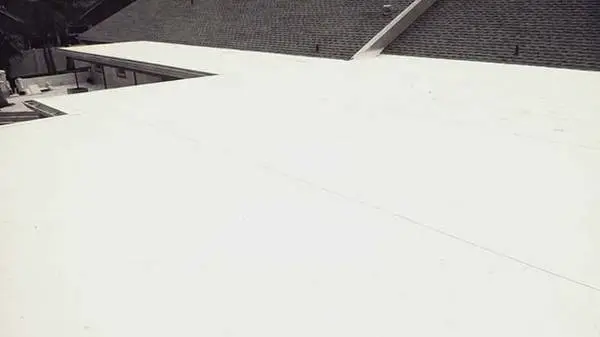
TPO Roofing by PRG Roofing & Construction, Fort Myers, FL

Question: How does a structured commercial roof maintenance plan protect Naples HOAs and property managers from unexpected capital expenditures?

Answer: A professional maintenance plan acts as a “fiduciary shield” for an HOA’s largest physical asset. By identifying minor tile displacements, salt-air corrosion, or gutter blockages before they lead to interior moisture intrusion, PRG Roofing & Construction (License #CCC1331196) helps Naples property managers extend roof lifespans by up to 30%. This proactive approach satisfies insurance “due diligence” requirements and prevents the need for sudden, expensive special assessments by shifting the board from reactive repairs to predictable, budgeted asset management.

  • Insurance Renewal Compliance: Many Florida carriers now require a “Proof of Maintenance” log to renew policies. We provide the certified documentation needed to satisfy underwriters and maintain coverage in the volatile Florida market.

  • Reserve Study Accuracy: Our detailed reports give HOA boards the data they need to accurately fund their reserves, ensuring that the 10-to-20-year roof replacement timeline is based on actual forensic health rather than guesswork.

  • Avoidance of Special Assessments: By identifying “Category 5” vulnerabilities (like loose perimeter flashings) during routine checks, we prevent the catastrophic failures that lead to emergency HOA board meetings and unbudgeted resident fees.

Your reserve study has a line item for roof replacement with an estimated year attached to it, and every budget cycle between now and that year assumes the roof will perform on schedule without a premature failure that accelerates the timeline. If you manage an HOA or a commercial property in Naples, the accuracy of that estimate depends entirely on whether someone is inspecting the roof surface, the edge conditions, and the drainage paths on a structured calendar or waiting for a visible interior symptom to trigger a reactive phone call. PRG Roofing & Construction Inc. serves Naples property managers and board members with maintenance programs designed to keep the reserve study’s timeline intact by catching problems when the repair scope is still measured in targeted fixes instead of full-section interventions.

The gap between a roof that’s performing and one that’s quietly deteriorating isn’t visible from the parking lot or the building entrance below. A commercial membrane can look uniform and intact from ground level while edge seals have separated, penetration boots have cracked from UV cycling, and ponding sections have formed where drainage flow has shifted or slowed over consecutive storm seasons. Semi-annual inspections put a trained crew on the roof surface to evaluate conditions that only reveal themselves through hands-on contact and measured assessment, and that scheduled access is the mechanism that converts invisible wear into documented, actionable findings.

What Each Inspection Cycle Covers on a Naples Commercial Roof
Edge conditions are the first priority on every inspection because the perimeter of a commercial roof is where wind uplift, thermal expansion, and rain water entry converge at the highest concentration. Penetration seals around pipe boots, mechanical curbs, and rooftop equipment mounts are the second focus, because the sealant and flashing at those transition points degrades faster than the field membrane under Naples UV and heat exposure. Drainage verification is the third component, and it covers scuppers, internal drains, and any cricket or tapered section engineered to move storm water off the roof surface before it ponds and loads the structure with standing weight.

How the Condition Report Turns Findings Into Decisions
Every inspection produces a photo-documented condition report organized into three categories that map directly to your budget planning cycle. Immediate action items identify conditions that need repair before the next storm season to prevent escalation. Watch-list items flag early-stage wear that doesn’t require intervention yet but needs monitoring at the next inspection cycle. The projected maintenance forecast extends the timeline to three years so your board or ownership group can see what’s coming and allocate funds before a finding moves from watch-list to urgent. Moisture readings at suspect areas add measured data to the report, because a membrane section reading elevated moisture content at the substrate level tells a different story than one that simply looks discolored on the surface.

Why Scheduled Maintenance Protects the Reserve Timeline
A targeted edge reseal or a penetration boot replacement addressed during a scheduled maintenance visit handles a problem in hours that, left unattended through two or three Naples storm seasons, expands into a section replacement requiring weeks of work and significant reserve fund impact. The maintenance calendar converts roof management from a reactive emergency into a planned operating expense, and the documentation from each cycle builds a cumulative record that supports insurance renewals, warranty claims, and board-level accountability for the decisions made between replacement cycles.

The Program That Replaces the Emergency Conversation
Call PRG Roofing & Construction Inc. at (239) 237-2906 and ask about enrolling your Naples commercial property or HOA in a structured roof maintenance program that puts inspections on a calendar and findings into a format your board can act on. The reserve study gave you a replacement year, and the maintenance program is how you make sure that year doesn’t arrive ahead of schedule.

Port Charlotte, FL – Why Our Roofing Company Uses Step-by-Step Photo Proposals

Question: Why is a step-by-step photo proposal essential for roofing projects in Port Charlotte, FL?

Answer: In Port Charlotte, a step-by-step photo proposal is the ultimate tool for contractor transparency and insurance claim accuracy. By using high-resolution, time-stamped imagery, PRG Roofing & Construction (License #CCC1331196) provides homeowners with forensic proof of roof damage—such as wind-lifted shingles or compromised flashings—that isn’t visible from the ground. This “see-what-we-see” approach eliminates hidden change orders and provides insurance adjusters with the exact data they need to approve claims without the typical back-and-forth delays.

  • Proof of Loss Documentation: Insurance carriers in Charlotte County are increasingly strict. Our photo proposals serve as a “digital paper trail” that adjusters use to verify that repairs meet the Florida Building Code and HVHZ standards.

  • Supplement Support: If our crews find hidden damage during the installation, we instantly capture and send photos to your insurance carrier, often resulting in approved supplements that cover the extra costs.

  • Pre-Storm Benchmarking: Having a detailed photo proposal of your roof’s “healthy” state is invaluable for future insurance claims after a hurricane, providing a baseline to prove new damage.

  • Charlotte County Expertise: We understand the specific wind-load requirements for Port Charlotte and Punta Gorda. Our photos document the 6-nail fastening patterns and secondary water barriers that local inspectors look for.

  • Verified Credentials: Every photo proposal is backed by Florida License #CCC1331196, ensuring that the “expert” looking at your roof is a legally recognized professional, not an unlicensed solicitor.

You’re sitting with two roofing proposals for your Port Charlotte home, and both list similar shingle brands, similar underlayment specs, and similar labor descriptions with a total at the bottom of each page. The numbers look close enough that the decision feels like a coin flip between two companies offering the same work at a comparable scope. PRG Roofing & Construction Inc. serves Port Charlotte with a proposal format that eliminates that guessing entirely, because every recommendation on the page is anchored to an annotated photograph of the specific condition it addresses on your roof.

A standard roofing estimate communicates scope through line items, and those line items assume you understand what “replace flashing at wall transition” or “address ponding at low-slope section” means for your specific property. Without a visual reference, those descriptions stay abstract, and signing the approval means you are trusting language instead of evidence. A photo proposal translates every line item into an image you can evaluate with your own eyes before the work begins, and that translation changes the entire relationship between what you’re approving and what you understand about why it’s needed.

What an Annotated Image Reveals That a Line Item Conceals
An arrow pointing to the gap where flashing has separated from a wall transition on your Port Charlotte roof communicates more about that repair’s urgency than any written description on an estimate. A timestamp on the image proves exactly when that condition existed, and a written note beneath it explains why that specific separation allows wind-driven rain to enter the wall cavity behind the flashing line. Each finding on our photo proposal carries this three-part structure, with the visual evidence, the date, and the technical explanation working together to build a complete picture of what your roof needs and why each recommendation exists in the scope.

How Visual Scope Eliminates Mid-Project Surprises
Change orders happen when a crew finds conditions during the job that weren’t included in the original estimate, and every change order creates a pause in the work while the new scope gets approved. Our photo proposal reduces that risk by documenting conditions before the job starts, which means the crew and you are looking at the same evidence when you agree on scope. If a section of decking shows early signs of soft spots during the inspection, that finding appears in the proposal with a photo and an explanation before the contract is signed. The scope reflects what the roof showed during the inspection, and the work matches what was approved.

Why the Documentation Outlasts the Project
The photo set from our roof proposal doesn’t lose its value when the project is finished and our crew has moved to the next Port Charlotte job. That timestamped, annotated collection of images becomes a baseline record of your roof’s condition at a specific moment, and it serves multiple purposes long after the shingles are down. Insurance adjusters working a storm damage claim need evidence of pre-storm condition to distinguish new damage from pre-existing wear, and a dated photo set answers that question before it becomes a dispute. Future maintenance decisions reference the baseline to track how conditions have changed between inspection cycles, and resale conversations gain credibility when documented roof history accompanies the property.

Where Confidence Comes From in a Roofing Decision
The difference between signing a roofing proposal with confidence and signing one with uncertainty is whether you’ve seen what you’re paying to fix. A photo proposal puts that evidence in your hands before you commit, and the visual record stays with your property as proof of what was found, what was recommended, and what was completed. PRG Roofing & Construction Inc. builds every Port Charlotte roof proposal around this documentation standard because the clearest path to a good roofing decision runs through the evidence, not around it.

Call (239) 237-2906 and request a photo-documented roof proposal for your Port Charlotte property that shows you every condition and every recommendation before you approve anything on the page.


Port Charlotte, FL – How Long Residential Roofs Last Under Florida Codes

Question: How long does a residential roof actually last in Port Charlotte under the current Florida Building Code?

Answer: While manufacturers may offer 30-to-50-year warranties, a residential roof in Port Charlotte typically has a functional lifespan of 15 to 20 years for shingles and 25 to 30 years for metal or tile. Under the Florida Building Code (FBC), roofs in Charlotte County must meet wind-uplift ratings for 160 MPH gusts. At PRG Roofing & Construction (License #CCC1331196), we find that even “healthy” roofs often face insurance non-renewal at the 15-year mark unless they are documented to include a Secondary Water Barrier (SWB) and high-wind fastening patterns.

  • 160 MPH Wind-Load Engineering: In Port Charlotte, we don’t just “install” roofs; we engineer them. Every project follows FBC Chapter 15 requirements for high-wind zones, utilizing 6-nail fastening patterns for shingles and specialized hurricane clips for tile and metal.

  • Secondary Water Barrier (SWB) Certification: We install self-adhering underlayments that provide a “seal of protection” even if the primary roofing material is damaged. This is a critical proof point for earning OIR-B1-1802 (Wind Mitigation) insurance discounts for Port Charlotte homeowners.

  • HVHZ-Adjacent Standards: While technically outside the Miami-Dade HVHZ, we apply the same TAS 100(A) testing standards for wind-driven rain to ensure our Port Charlotte installations survive the specific pressure cycles of Gulf Coast storms.

  • UV & Thermal Shock Mitigation: Port Charlotte roofs reach surface temperatures of 160°F+. We utilize “Cool Roof” technology and balanced ridge ventilation to prevent the thermal shock that causes shingles to curl and crack prematurely.

  • Salt-Air Corrosion Protection: For homes in Punta Gorda Isles or near the Peace River, we utilize stainless steel or hot-dipped galvanized fasteners to prevent the salt-mist oxidation that leads to “invisible” roof failure.

  • Granule Loss Monitoring: We provide digital forensic reports showing the rate of granule erosion. Once a shingle loses 25% of its granules, it loses its fire rating and UV protection—signals our inspectors (License #CCC1331196) look for to determine true remaining life.

The number printed on your shingle packaging was tested in a lab somewhere with controlled humidity, no salt air, and zero hurricanes. Port Charlotte doesn’t offer any of those conditions. PRG Roofing & Construction Inc. serves Port Charlotte residents who want the honest gap between what manufacturers promise and what Florida’s coast delivers, because that gap is where the expensive surprises hide.
Every roofing material carries two lifespans, and only one of them matters for your planning. The first is the manufacturer’s rated range, built from accelerated weathering tests in a controlled facility. The second is the performance window that material will give you in Port Charlotte, where UV exposure, Gulf humidity, salt deposits, and storm cycles compound against every layer of your roof from the day it goes on.

What the Packaging Won’t Say
Three-tab asphalt shingles carry printed ratings between 15 and 25 years, but coastal Florida performance typically lands between 10 and 20 years depending on ventilation and attic moisture levels. Architectural shingles stretch that window slightly, holding between 15 and 25 years when the underlayment beneath them stays dry and the seal strips maintain their adhesive bond. Standing seam metal with a Kynar PVDF coating system offers the widest performance range at 40 to 70 years, and that spread exists because the coating quality and fastener engineering make or break the system’s resistance to salt corrosion. Each of these numbers drops further when ventilation can’t pull moisture out of the attic space, because trapped humidity cooks roofing materials from below while the sun works on them from above.

The Tile Roof Trap Nobody Talks About
Concrete and clay tile in Port Charlotte creates a specific blind spot that catches more residents off guard than any other material failure. The tile itself can last 25 to 50 years with its structural integrity intact. The problem sits underneath it. Modified bitumen or felt underlayment beneath tile roofing degrades through a process called oil migration, where sustained heat drives volatile oils out of the membrane material and leaves it brittle and cracked. That failure typically starts around the 15 to 20 year mark, and it lets rain water through even though the tile above looks flawless from every angle. You can’t identify this problem from the ground, and the first sign is often a ceiling stain that shouldn’t exist under what appears to be a perfect roof.

When Your Roof Becomes an Insurance Decision
Florida Statute 627.7011 draws a line at 15 years that converts your roof from a building component into a policy variable. Once your roof passes that age, your insurance carrier can choose not to renew your coverage unless a certified roof inspector confirms at least five years of remaining useful life. That statute doesn’t care whether your shingles look clean or your tile appears solid; it cares about documented condition. Managing your roof’s age and performance through scheduled inspections and documented evidence is what separates a renewable policy from a non-renewal letter that arrives at the worst possible time.

Why Measured Condition Beats Visual Appearance
We produce photo-documented asset reports for Port Charlotte residents that include moisture readings at penetration points, ventilation airflow measurements at the soffit and ridge, and seal strip adhesion checks on shingle roofs past the 10-year mark. Each report builds a one-year and three-year maintenance timeline with specific action items so you can plan around your roof’s condition instead of reacting to failures you didn’t anticipate. The difference between a roof that lasts and a roof that surprises you is documented data versus assumption.

The Budget You Can See Coming
If your Port Charlotte roof is approaching 10 years on asphalt or 15 years on tile, the performance window is narrowing whether you see visible problems or not. Call PRG Roofing & Construction Inc. at (239) 237-2906 for a residential roof asset inspection that gives you the documented condition, the maintenance timeline, and the insurance position you need to make your next decision with complete information instead of an estimate based on how things look from the driveway.


Naples, FL – Gutters and Splash Blocks Protect Residential Roof Foundations

\

Question: Why are gutters and splash blocks considered essential for foundation protection in Naples, FL?

Answer: In Naples, the combination of intense tropical rainfall and sandy, porous soil makes gutters and splash blocks essential for preventing foundation erosion. Without a managed drainage system, roof runoff creates “trenching” at the base of the home, leading to soil displacement, foundation settling cracks, and moisture intrusion in crawlspaces. PRG Roofing & Construction (License #CCC1331196) installs high-capacity seamless gutters and strategically placed splash blocks to divert thousands of gallons of water away from your home’s structural footprint.

  • 6-Inch Seamless Advantage: In Southwest Florida, standard 5-inch gutters often overflow during tropical downpours. We specialize in 6-inch seamless aluminum gutters, which carry 40% more water volume, ensuring your fascia and soffits remain dry even during 3-inch-per-hour rain events.

  • Corrosion-Resistant Hardware: Because Naples is a coastal environment, we use stainless steel or ceramic-coated fasteners and heavy-gauge aluminum to prevent salt-mist oxidation from weakening the gutter’s attachment to your home.

  • Precision Pitching: Our teams (License #CCC1331196) use laser-leveling to ensure gutters are pitched perfectly toward downspouts. In Florida’s humidity, even a small amount of standing water in a gutter becomes a breeding ground for mosquitoes and accelerated sealant failure.

That soft spot along your home’s foundation wall in Naples didn’t start at the ground. It started at the roofline, where your gutter system let rain water pool, back up, and carve a damage path downward through every layer between the fascia and the soil. PRG Roofing & Construction Inc. serves Naples residents who want to understand that path before it reaches the foundation, because by the time you see the evidence at ground level, the damage chain has been running for months.

Most residents think of gutters as a cleanup feature, something that keeps rain water from splashing off the roof edge onto the walkway. That framing misses what your gutter system is built to do. It’s the only component on your roof that plays offense, catching thousands of gallons per storm and routing them away from the structure’s perimeter. When it fails, nothing else on the building picks up the job.

Where the Failure Path Begins
A gutter that overflows during a Naples afternoon storm doesn’t just spill water over the front edge. Rain water backs up behind the gutter lip and wicks underneath the drip edge, where it saturates the fascia board first. Once that fascia absorbs enough moisture, the water reaches the rafter tails and the edge of your roof deck. From the deck edge, it migrates into the soffit cavity and down the wall framing. In Naples, where sandy soil drains laterally instead of absorbing water in place, that moisture spreads along your foundation perimeter rather than soaking straight down. Your home’s foundation takes the hit from a gutter problem that started two stories above it.

The Pitch Problem Nobody Measures
Debris clogs get all the blame for gutter failures, but incorrect pitch causes more damage over time because it’s invisible. A gutter that appears level to the eye can hold standing water in low sections that never drain to the downspout. Industry best practice calls for a minimum quarter-inch drop per 10 feet of gutter run, and we verify that measurement with a laser level on every installation and repair because visual leveling can’t catch the flat spots where standing moisture sits between storms. A level gutter does not hold water, and that’s the point.

What Happens at the Bracket and the Board
We fabricate seamless gutters on-site in Naples using a portable brake, which eliminates the mid-run joints where pre-cut sections meet and eventually separate under thermal expansion and storm debris pressure. Every hanger bracket gets sealed at the fastener point before it’s secured to prevent rain water from entering behind the gutter at the mounting location. Before any bracket goes onto the fascia, we take moisture readings with pin meters at each rafter tail; anything registering above 18% gets replaced with new material rather than covered over. Mounting a gutter system onto rotting fascia puts a new uniform on a player who can’t stay in the game.

Where the Downspout Meets the Sand
The end of your downspout is where the gutter system either finishes the job or fails at the last step. In Naples, sandy soil moves storm water laterally along your foundation wall instead of pulling it straight down into the ground. Splash blocks or downspout extensions positioned to direct that discharge away from the foundation perimeter are the final piece of the system, and skipping them means every storm deposits concentrated water volume directly against the base of your home.

Before June Changes the Conversation
Hurricane season starts June 1, and your gutter system will handle more water volume per hour during a single summer storm in Naples than most Northern gutters see in a full month. If your gutters haven’t been inspected for pitch, bracket integrity, and fascia condition since last season, call PRG Roofing & Construction Inc. at (239) 237-2906 for a pre-season gutter and roof edge inspection with documented measurements and photos before the afternoon storms put the whole system to the test.


Port Charlotte, FL – Roofing Checklist to Prepare Your Home for Hurricane Season

Hurricane season opens June first. Tropical systems start forming weeks earlier. If your Port Charlotte roof has weak points, you want to find them now while contractors have openings for renovations and materials ship on normal timelines.

Wait until a named storm enters the Gulf and you’re competing with everyone else who put this off. Prices spike and work gets rushed. The checklist below covers what to look at before that happens, starting with the items that matter most.

Edges Fail First, So We Start There
We always start by checking your shingle edges. Hurricane roof failures almost always begin at eaves and rakes where wind catches lifted material and peels it backward across the field. One loose corner can unzip an entire slope.

We walk around your house and look up at the starter courses running along every roof edge. We ;ook for curled corners, tabs lifting away from the surface, or gaps where shingles should lay flat. These spots released their factory adhesive from age, sun damage, or previous wind stress. Pressing them back down and re-sealing costs almost nothing. Waiting until wind-driven rain gets underneath and soaks your deck costs thousands.

Flashings and Penetrations Need a Closer Look
Every pipe, vent, and curb poking through your roof creates a potential entry point. The sealant holding these transitions together degrades over time. Rubber boots around plumbing vents crack and pull away from pipes. Metal flashings work loose where the roof meets the chimney or wall.

We check pipe boots for visible cracks or separation. We look at chimney and wall flashings for gaps or lifted edges catching sunlight underneath. Counter-flashings should overlap step flashings by at least two inches with no visible sealant failure. If anything looks questionable, we flag it for professional renovation before storm season arrives.

Clean Your Gutters Before They Become the Problem
This one you can handle yourself. Clogged gutters during hurricane rainfall overflow and send water cascading down fascia boards, behind siding, and into wall framing. The damage shows up months later as rot and mold you never connected to a storm.

Clear everything out. Check that downspouts discharge at least six feet from your foundation. While you’re up there on the ladder, look at how the gutters hang. Sagging sections hold standing water that overflows during heavy rain and pulls hangers loose from fascia. If you spot sag or soft spots in the fascia wood itself, that’s rot signaling bigger problems worth investigating before a storm tests the whole assembly.

Attic Ventilation Does Double Duty
Good ventilation keeps moisture from weakening your roof sheathing and growing mold in your attic. But during hurricanes, soffit intake vents also provide pressure relief that helps roofs resist uplift. Blocked vents from insulation, paint overspray, or decades of debris eliminate both benefits.

Next we climb into your attic tolook at whether the soffit baffles are clear. Daylight should be visible through intake vents from inside. Ridge vents only work when air can flow in from below, so any blockage at the soffits chokes the whole system. Having us add intake ventilation before storm season improves both roof lifespan and wind performance at once.

Build Your Insurance File Now
When we inspect your roof we give you time-stamped photos of your roof before storm season which can save you thousands in claim disputes later. Adjusters compare pre-storm and post-storm images to figure out what weather actually caused versus what already existed. Without baseline documentation, damage from a storm gets blamed on prior neglect, and coverage gets denied.

We photograph every slope, every penetration, every edge detail. This file protects your claim rights if damage occurs and prevents arguments about what was there before.

Book the Assessment While You Can
Contractor availability tightens as June approaches. Everyone who waited starts calling at once. Finishing repairs in April or May gives adhesives proper cure time, lets materials arrive without supply chain pressure, and ensures work gets the attention it deserves instead of the speed a packed schedule demands. Call PRG Roofing & Construction Inc. at (239) 237-2906 to schedule your pre-season inspection before the calendar takes that option away.


Fort Myers, FL – Storm Tested Residential Metal Roofing Systems Built for Florida

Every metal roofing salesperson in Fort Myers will tell you their product handles hurricanes. Most of them are selling something that hasn’t been tested the way real Florida weather tests it. When 130 mile per hour winds rip through Lee County, standing seam panels with concealed clips stay put. Exposed fastener systems lose screws at the edges and peel backward. The brochures looked identical. The storm results don’t. We install metal roofing we’d put on our own houses, and we won’t touch products we know fail under pressure.

Approval Numbers Aren’t Marketing Fluff

That Florida Product Approval number stamped on your panels means they survived controlled impact and uplift testing in a certified lab. No number means the manufacturer skipped the process and hopes you don’t ask questions. We spec systems rated for Miami-Dade High Velocity Hurricane Zone exposure because Fort Myers faces identical wind loads with looser enforcement. Your insurance company cares about documented ratings. Your building inspector cares. The storm doesn’t read marketing copy.


Exposed Fasteners Are Leak Points Waiting to Open

Screw-down metal panels put hundreds of holes through the roof surface. Every hole depends on a neoprene washer keeping water out. Fort Myers sun cooks those washers until they crack and shrink, somewhere between seven and 10 years out. Then you’ve got leak potential at every single fastener. Standing seam systems hide connections beneath interlocking ribs where UV and rain can’t reach. Higher upfront cost, yes. But decades without chasing leaks at screw heads changes the math completely.


Cheap Paint Fails in Coastal Air

Standard finishes chalk, fade, and lose adhesion within a decade in Southwest Florida conditions. Once coating fails, bare steel meets salt-laden humidity. Rust spreads beneath the surface where you can’t see it until panels need replacing. Kynar 500 and Hylar 5000 PVDF coatings resist UV degradation and chemical attack for 30 to 40 years. We won’t install metal roofing with anything less because we’re the ones getting the callback five years later.


Decking Condition Gets Ignored Too Often

Metal roofing installed over soft wood fails from underneath. We’ve torn off three-year-old roofs where the original crew never checked substrate moisture before screwing panels down. Rot that existed on day one spread under the new surface until everything needed replacing. We probe moisture content across the deck before any panel goes on. Readings above 18% mean that section gets replaced first. And we photograph what we find.


Thermal Movement Cracks Rigid Attachments

Fort Myers temperatures swing 50 degrees between afternoon peak and overnight low. Metal expands and contracts with every cycle. Fixed clip systems fight that movement and create oil canning, warped profiles, and fastener stress that shows up within the first year. Floating clip designs let panels slide as temperatures shift, keeping seams tight and surfaces flat. We engineer clip spacing for panel length, exposure angle, and local temperature ranges. Installers who skip this step create problems you’ll see fast.


Get Real Specs Before You Sign

Metal roofing done right outperforms every other residential option when winds exceed design thresholds. Done wrong, it fails in ways asphalt shingles never would. Waiting until storm damage forces your hand means choosing fast with limited options and inflated prices. Call PRG Roofing & Construction Inc. at (239) 237-2906 to talk through systems that match your house, your budget, and what Fort Myers hurricanes actually demand.


Fort Myers, FL – How Regular Commercial Roof Inspections Protect Your Budget

The commercial roof over your Fort Myers property is failing right now in ways you cannot see from the ground, and every month of delay adds cost to the eventual repair bill. Inspections prevent problems, they find them while those problems still have cheap solutions. PRG Roofing & Construction Inc. runs commercial inspection programs across Fort Myers because we’ve watched property managers discover what we could have caught months earlier if they’d scheduled the inspection before the leak appeared.


A roof inspection takes less time than most meetings and produces information worth more than most consultants deliver. We climb up, we test conditions, we document what we find, and we prioritize the findings by urgency so you know exactly what needs immediate attention versus what can wait until next quarter’s budget. The inspection itself costs a fraction of a single emergency call; the information it provides prevents those emergency calls from happening in the first place.


Moisture Testing Reveals What Eyes Cannot See

The most expensive commercial roof damage hides beneath the membrane surface where visual inspection cannot detect it. Water that enters through a seam failure or flashing breach spreads laterally, saturating insulation and degrading deck materials while the membrane above appears intact. By the time ceiling stains reveal the intrusion, extensive replacement has already become necessary. Our moisture meters identify wet zones before visible damage appears, allowing targeted repair rather than wholesale section replacement.


We test systematically across the roof field, documenting readings at each test location and flagging any results that indicate moisture accumulation. A reading approaching 18% tells us the substrate has absorbed enough water to compromise fastener holding power and accelerate material breakdown. Finding that reading during a scheduled inspection means repairing a small section; finding it after ceiling damage appears means replacing everything wet plus everything damaged during the time between infiltration and discovery.


Seam Conditions Predict Future Failures

Membrane seams experience stress from thermal cycling, wind pressure, and building movement that eventually exceeds even well-executed weld strength. The progression from sound seam to failed seam follows predictable patterns: edge lift appears first, followed by partial separation, followed by complete failure that allows water entry. Inspections catch these progressions early, when edge sealing can restore waterproof integrity rather than seam replacement becoming necessary.


We probe seams with instruments designed to detect separation before it becomes visible, documenting any suspect areas with photos and location notes that allow repair crews to address findings efficiently. A seam sealed during its early failure stage holds for years; a seam left until complete separation occurs often requires membrane replacement across the entire affected section because water damage has spread beneath the surface.


Flashing Inspections Catch The Most Common Failures

Most commercial roof leaks originate at flashings rather than in the field, because flashings handle the stress of water concentration, movement differential, and penetration sealing that the field membrane never faces. Every pipe, curb, drain, and edge requires flashing that maintains waterproof continuity across the transition, and every flashing eventually degrades under Fort Myers conditions until water finds a path through.


We inspect every flashing during scheduled visits, checking sealant adhesion, membrane integration, and metal condition at each penetration and termination. Findings get documented with photos that show exactly where attention is needed, prioritized by failure risk so you know which flashings need immediate resealing versus which ones can wait another inspection cycle. This information turns unpredictable emergencies into scheduled maintenance that fits your budget and your calendar.


Drain Function Prevents Structural Overload

Pooling water on a commercial flat roof adds weight that the structure may not be designed to carry long-term, and blocked drains transform rainfall into standing loads that stress connections and compress insulation. We verify drain flow during every inspection, clearing debris blockages and confirming that water paths remain open from roof edge to drainage system. A blocked drain discovered during inspection gets cleared in minutes; a blocked drain discovered after structural damage appears costs whatever the repair demands.


Our inspection reports include drain flow notes and recommendations for any drainage improvements that would reduce ponding risk. Some buildings benefit from additional drains; others need slope correction at specific low points that we identify with laser verification. The information supports budget planning that addresses drainage before emergency conditions force expensive solutions.


Documentation Supports Every Future Decision

Every inspection we complete produces a report with photos, readings, findings, and recommendations that becomes part of your building record. These reports prove conditions at specific dates, which supports warranty claims if installed materials fail to perform as specified. The reports also support insurance claims by demonstrating that the roof received proper maintenance rather than neglect, which increasingly matters as insurers scrutinize commercial property coverage applications.


Maintained documentation also simplifies property transactions by giving buyers verifiable roof condition information rather than uncertainty that drives negotiations and demands. A building with five years of inspection reports showing maintained conditions commands confidence that a building without records cannot match. The documentation takes minutes to produce; the value it delivers compounds over years of property ownership.


Inspection Scheduling Beats Storm Season Chaos

Fort Myers hurricane season runs June through November, and the weeks after every tropical system bring chaotic demand for roofing services that pushes prices up and availability down. Inspections scheduled in spring catch problems while repair crews have normal availability and material supplies remain stable. The same repair that costs standard rates in April might cost emergency premiums in September because every roofer in the region is responding to storm damage.


We recommend scheduling commercial inspections between Decemberand May, with repairs completed before June first when possible. This timing aligns maintenance with budget cycles for many property managers and ensures that any identified issues get addressed before the weather creates both higher stakes and higher costs.


Protect Your Fort Myers Commercial Property

A commercial roof inspection costs less than a single emergency call and prevents more damage than any reactive response can match. PRG Roofing & Construction Inc. provides scheduled inspection programs for Fort Myers commercial properties, delivering the moisture testing, seam verification, and documented reports that transform roof maintenance from guesswork into strategy. Call (239) 237-2906 to schedule your inspection today and get the information that protects your building, your budget, and your business through every storm season ahead.


 

Leave us a Review on BBB

Notary Services

© Copyright 2026 PRG Roofing & Construction, Inc. All Rights Reserved. Website by Visitivity Inc.